In the crowded skincare market, brands are constantly searching for ways to stand out and drive sales without breaking the bank on advertising. The secret? Neuromarketing – the science of understanding how consumers’ brains respond to marketing stimuli.
By tapping into the psychological triggers that influence purchasing decisions, skincare brands can dramatically increase conversions, boost customer loyalty, and maximize ROI from existing marketing efforts. Best of all, these techniques don’t require massive ad budgets – just strategic implementation.
What Is Neuromarketing and Why Does It Matter for Skincare Brands?
Neuromarketing combines neuroscience, psychology, and marketing to understand the subconscious factors that drive consumer behavior. Research shows that up to 95% of purchasing decisions are made subconsciously, meaning traditional marketing often misses the mark by only appealing to logical reasoning.
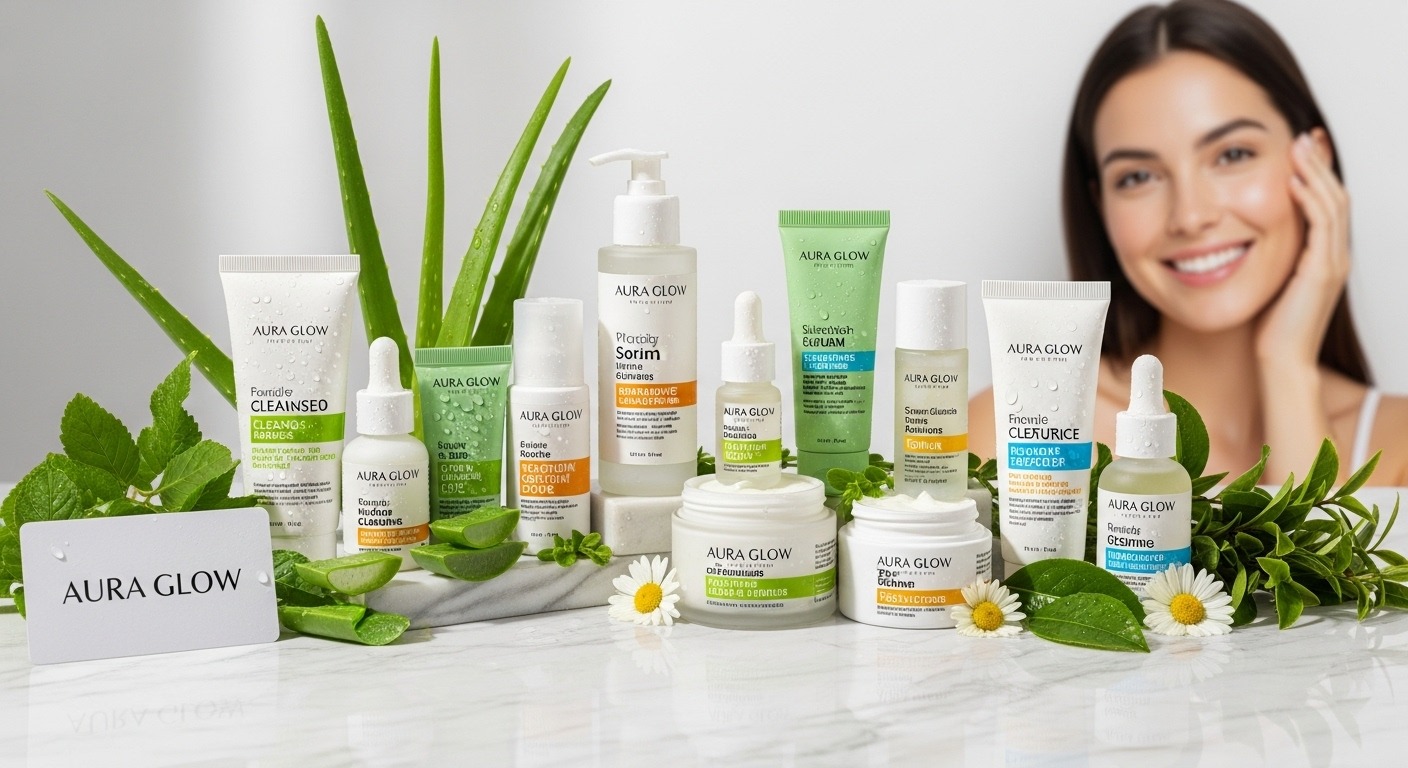
For skincare brands specifically, neuromarketing is particularly powerful because beauty purchases are deeply emotional. Customers aren’t just buying moisturizer – they’re buying confidence, youth, self-care, and transformation. Understanding how to trigger these emotional responses can transform your marketing effectiveness overnight.
10 Powerful Neuromarketing Techniques to Boost Skincare Sales
1. Leverage the Power of Before-and-After Imagery
The human brain is wired to recognize patterns and changes. Before-and-after photos trigger the brain’s reward centers by providing visual proof of transformation. This creates a powerful emotional response that text alone cannot achieve.
Implementation tips:
- Use real customer photos with proper lighting consistency
- Show results over specific timeframes (4 weeks, 8 weeks, 12 weeks)
- Include close-up shots that highlight texture improvements
- Add subtle arrows or circles to draw attention to specific improvements
2. Harness the Anchoring Effect in Pricing
The anchoring effect occurs when the first piece of information we receive (the “anchor”) heavily influences our decision-making. In skincare, this means the first price a customer sees sets their reference point for value.
Implementation tips:
- Display your original price next to the sale price
- Show the cost per use rather than total product price (“just $0.85 per day”)
- Position your mid-tier product between a luxury and budget option
- Use bundle pricing to make individual items seem more affordable
3. Create Sensory-Rich Product Descriptions
The brain processes sensory language differently than abstract concepts. When you describe a product using sensory words, you activate the same brain regions that process actual sensory experiences, making the description more memorable and persuasive.
Implementation tips:
- Replace “moisturizing cream” with “silky, lightweight cream that melts into skin”
- Describe textures: velvety, whipped, gel-like, buttery
- Include scent descriptions: subtle citrus notes, calming lavender essence
- Use temperature words: cooling sensation, warming effect
4. Implement Strategic Color Psychology
Colors trigger specific emotional and psychological responses. In skincare marketing, choosing the right colors can influence perceptions of efficacy, luxury, and trustworthiness.
Color associations in skincare:
- White and silver: Purity, cleanliness, clinical efficacy
- Green: Natural, organic, sustainable
- Blue: Trust, calm, hydration
- Gold and bronze: Luxury, premium quality
- Pink and rose: Feminine, gentle, romantic
- Black: Sophistication, drama, high-end
Choose your brand colors strategically based on your positioning and the emotional response you want to evoke.
5. Utilize Social Proof and FOMO (Fear of Missing Out)
The human brain is hardwired to follow the crowd as a survival mechanism. Social proof leverages this by showing that others have made the same choice, reducing perceived risk and building trust.
Implementation tips:
- Display real-time purchase notifications on your website
- Show customer review counts prominently (e.g., “4.8 stars from 2,347 reviews”)
- Feature user-generated content on product pages
- Add urgency with limited stock indicators (“Only 3 left in stock!”)
- Create exclusive launch windows for new products
6. Apply the Peak-End Rule to Customer Experience
Research by Nobel Prize winner Daniel Kahneman shows that people judge an experience largely based on how they felt at its peak and at its end. For skincare brands, this means focusing on creating memorable high points throughout the customer journey.
Implementation tips:
- Include a surprise sample or handwritten note in shipments (positive peak)
- Create an unboxing experience worth sharing on social media
- Follow up with personalized skincare tips after purchase
- Offer a generous return policy to eliminate end-of-purchase anxiety
- Send a “we miss you” email with an exclusive offer to returning customers
7. Use Reciprocity to Build Loyalty
The reciprocity principle states that when someone does something nice for us, we naturally want to return the favor. In marketing, giving value upfront creates a psychological obligation that can lead to purchases.
Implementation tips:
- Offer a comprehensive free skin quiz with personalized recommendations
- Create valuable blog content about skincare routines and ingredient education
- Provide free samples with every order
- Share educational video tutorials on product application
- Give early access to sales for email subscribers
If you want to master these psychological principles and many more advanced beauty marketing strategies, the Beauty Marketing Course provides in-depth training specifically designed for skincare and beauty brand owners.
8. Optimize for the “Paradox of Choice”
While variety seems appealing, too many options can lead to decision paralysis and abandoned carts. Psychologist Barry Schwartz found that excessive choice actually decreases satisfaction and increases anxiety.
Implementation tips:
- Limit product lines to 3-5 core items initially
- Create curated skincare “routines” or bundles
- Use a quiz to narrow down options to 2-3 personalized recommendations
- Clearly label “bestseller” or “most popular” to guide uncertain buyers
- Implement a “build your routine” tool that suggests complementary products
9. Leverage the Power of Storytelling and Emotional Connection
Stories activate multiple brain regions, creating deeper engagement than facts alone. When customers connect emotionally with your brand story, they’re more likely to remember you and make a purchase.
Implementation tips:
- Share your founder’s story and the “why” behind your brand
- Highlight the journey of ingredient sourcing
- Feature customer transformation stories (not just before-and-afters)
- Use narrative structure in email campaigns
- Create behind-the-scenes content showing product development
10. Apply the Decoy Effect in Product Positioning
The decoy effect occurs when consumers change their preference between two options when presented with a third, strategically priced option. This is particularly effective for skincare bundles and sets.
Implementation example:
- Small size: $29
- Large size: $68
- Large size + bonus product: $75 (decoy that makes the large size look more valuable)
Most customers will now choose the large size, perceiving it as the best value compared to both the small size and the slightly more expensive bundle.
Measuring the Success of Neuromarketing Techniques
To ensure your neuromarketing strategies are working, track these key metrics:
- Conversion rate: Monitor how changes affect the percentage of visitors who make purchases
- Average order value (AOV): Track whether bundling and pricing strategies increase order size
- Cart abandonment rate: See if reducing choice or adding urgency decreases abandonment
- Customer lifetime value (CLV): Measure if emotional connection strategies improve retention
- Time on page: Longer engagement often indicates more compelling content
- Social sharing: Track how often customers share your content or unboxing experiences
Implementing Neuromarketing Without Increasing Ad Spend
The beauty of neuromarketing is that it enhances your existing marketing assets rather than requiring additional advertising budget. Here’s how to start:
- Audit your current website: Identify where you can add social proof, improve product descriptions, or optimize color schemes
- Revamp your product photography: Invest in before-and-after imagery and sensory-rich product shots
- Enhance your email marketing: Apply storytelling and reciprocity principles to your email campaigns
- Optimize your packaging: Create an unboxing experience that applies the peak-end rule
- Refine your pricing strategy: Implement anchoring and the decoy effect in your product offerings
Taking Your Beauty Marketing to the Next Level
Neuromarketing isn’t about manipulation – it’s about understanding your customers’ genuine needs and communicating your value in a way that resonates with how their brains naturally process information. When done ethically, these techniques create better experiences for customers while driving sustainable growth for your brand.
By implementing even a few of these neuromarketing strategies, skincare brands can see significant improvements in conversion rates, customer engagement, and sales – all without increasing advertising spend. The key is to test, measure, and refine your approach based on your unique audience.
Ready to dive deeper into advanced marketing strategies specifically designed for beauty and skincare brands? The Beauty Marketing Course covers these neuromarketing principles and much more, providing you with a complete roadmap to building a thriving skincare business through strategic, science-backed marketing techniques.
Start small, test consistently, and watch as these powerful psychological principles transform your skincare brand’s performance in ways traditional advertising never could.