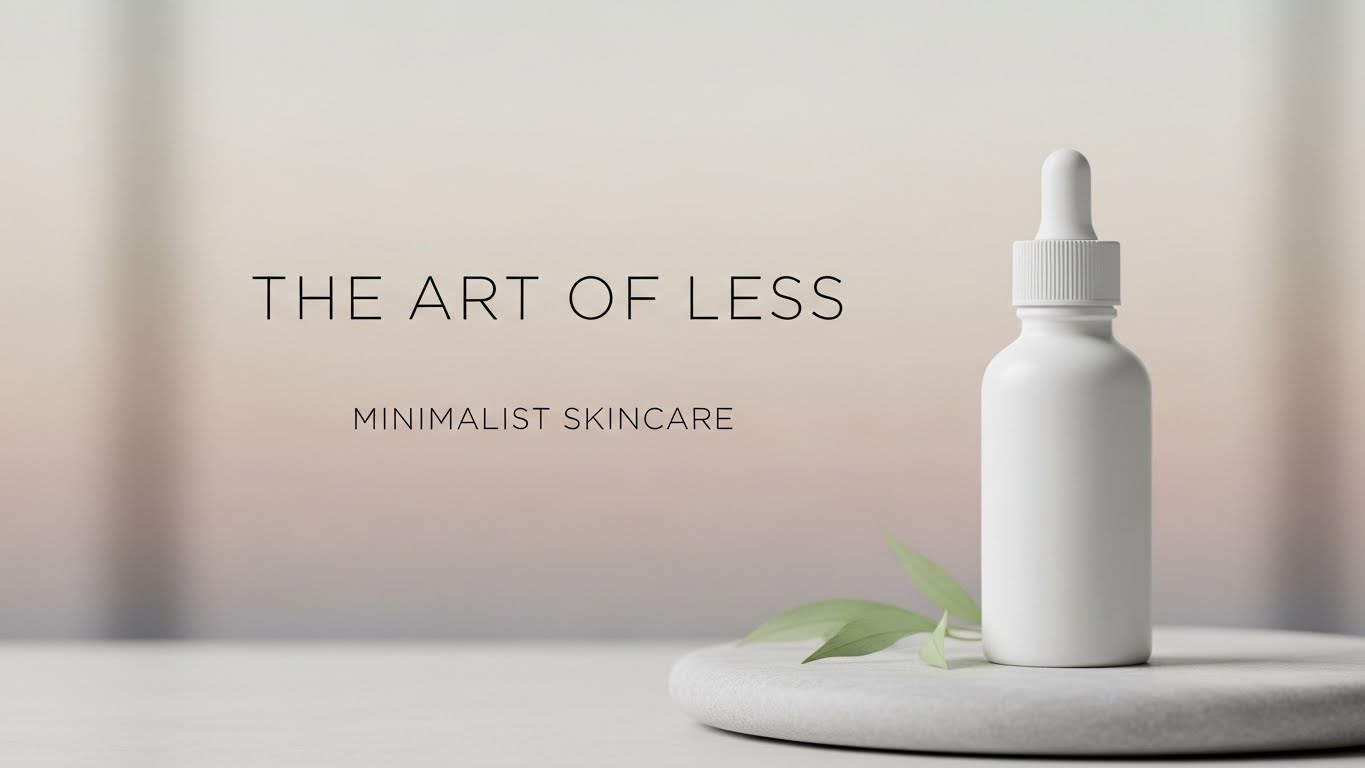
Master the delicate balance between growth and authenticity as you scale your minimalist skincare brand while preserving the refined aesthetic that made you successful. There’s an inherent tension at the heart of minimalist skincare: the very aesthetic that attracts your core audience—simplicity, restraint, intentionality—seems at odds with the demands of scaling a business. More SKUs, more marketing channels, more partnerships, more everything. Yet brands like The Ordinary, Aesop, and Glossier have proven that minimalism isn’t just sustainable at scale—it’s a competitive advantage. According to McKinsey research, the minimalist beauty segment has grown 156% over the past five years, significantly outpacing the overall beauty market. Consumers are actively seeking brands that offer fewer, better products with clean aesthetics and transparent positioning. The challenge isn’t whether to scale—it’s how to scale while maintaining the aesthetic purity that defines your brand identity. This guide explores the strategic frameworks, visual principles, and operational disciplines required to grow a minimalist skincare brand from boutique player to market leader without losing what made you special in the first place. Understanding your audience is critical for scaling without alienation: Source: Minimalist Beauty Consumer Research 2024 Scaling a minimalist brand isn’t about doing more—it’s about doing the right things more effectively. These five principles form the foundation of successful minimalist brand expansion: Before you can scale minimalism, you must clearly define what minimalism means for your specific brand. Not all minimalism is identical—compare the clinical precision of The Ordinary versus the warm sophistication of Aesop versus the playful restraint of Glossier. Each represents a distinct interpretation of “less.” Action Steps: Why This Matters: Without codification, each new team member, photographer, or partner will interpret “minimalist” differently, leading to aesthetic drift as you scale. Your brand guidelines become the guardrails that prevent dilution. Minimalist brands that scale successfully don’t just add products—they expand according to a clear architectural logic. Each new product must justify its existence within your system and maintain visual cohesion with everything else in your range. Strategic Approaches: Why This Matters: Architectural thinking prevents SKU proliferation while giving you room to grow. Customers understand how new products fit into their existing routines, and your visual merchandising remains clean despite range expansion. As you expand to more products, channels, and markets, you need visual systems that maintain consistency without requiring your founder or original designer to approve every single asset. The key is building flexible frameworks with clear constraints. System Components: Why This Matters: Systems enable scale without chaos. Multiple creators can produce on-brand content simultaneously across global markets while maintaining the cohesive aesthetic that defines minimalist brands. Entering new retail channels—from boutiques to Sephora to Amazon—presents aesthetic challenges. Each platform has different requirements, yet your brand must remain instantly recognizable. Successful minimalist brands treat distribution expansion as a design challenge, not just a logistics problem. Channel-Specific Strategies: Why This Matters: Distribution is where many minimalist brands lose their way. The pressure to conform to retailer standards can dilute your aesthetic. Treating each channel as a design brief helps you adapt without compromising. The final stage of scaling minimalism is making aesthetic excellence an operational discipline, not just a creative aspiration. This means building approval processes, quality controls, and team training that protect your visual identity at every touchpoint. Operational Frameworks: Why This Matters: At scale, aesthetic dilution happens through a thousand small compromises. Operational discipline ensures that every team member understands their role in protecting what makes your brand distinctive. Two categories present unique visual challenges for minimalist brands: oil-based products and gender-neutral essentials. Both require sophisticated visual language that communicates luxury, efficacy, and universality while maintaining the restraint that defines minimalist aesthetics. Oil-based skincare products present a visual challenge: how do you communicate their luxurious, nourishing qualities without resorting to the gold-dripping, over-the-top imagery that characterizes traditional oil marketing? The answer lies in textural storytelling that celebrates the product’s inherent beauty without embellishment. Minimalist Oil Visualization Techniques: 1. Macro Transparency Extreme close-up photography that shows the clarity, viscosity, and light-refracting properties of your oils. Use simple white or neutral backgrounds to let the product’s natural golden or amber tones provide the only color. The oil itself becomes the visual interest—no props, no context, just pure product beauty. 2. Controlled Pour Documentation Slow-motion footage of oil being dispensed creates mesmerizing content that communicates both luxury and precision. Frame these moments against stark, monochromatic backgrounds. The movement provides dynamism while the restraint maintains minimalism. Each droplet becomes a meditation on quality. 3. Absorption Sequences Time-lapse or step-by-step photography showing oil absorption on skin—but keep the focus tight and the backgrounds clean. Show hands only, with careful attention to lighting that reveals how the product transforms from glistening to absorbed. This addresses the common concern that oils feel greasy while maintaining visual elegance. 4. Geometric Containment Feature your oil products within clean geometric frameworks—circular puddles on minimal surfaces, linear arrangements of droplets, products positioned according to strict grid systems. According to BeautyMatter research, geometric composition increases perceived product quality by 67% among minimalist beauty consumers. 5. Material Dialogue Pair your oils with complementary minimalist materials—smooth stone, raw concrete, brushed metal, natural wood. The contrast between liquid fluidity and solid structure creates visual interest within minimalist constraints. These materials suggest natural origins without resorting to obvious botanical imagery. Gender-neutral positioning aligns naturally with minimalist aesthetics—both value function over decoration, substance over style signaling. However, “gender-neutral” execution often defaults to bland, characterless design. The goal is to create visual language that feels inclusive and intentional, not simply absent of identity. Visual Strategies for Premium Gender-Neutral Positioning: 💡 Integration Strategy: When marketing oil-based, gender-neutral essentials, combine both visual approaches. Show oils in hands of diverse users, photographed with minimalist precision against neutral surfaces. Use geometric arrangements to display your essentials line, with careful attention to how oil products catch and refract light. This integrated approach has proven particularly effective—brands using this strategy achieve 2.8x higher engagement rates than those treating oils and gender-neutral positioning as separate creative challenges. Understanding these principles theoretically is one thing—executing them while managing the day-to-day complexities of scaling a business is entirely different. The brands that successfully scale minimalism share a common trait: they’ve invested in comprehensive marketing education that goes beyond surface-level aesthetics to explore the strategic and operational frameworks that make sustainable growth possible. Whether you’re preparing to scale your minimalist brand, repositioning an existing line toward cleaner aesthetics, or looking to maintain brand integrity while expanding distribution, specialized training provides the roadmap from boutique to market leader without aesthetic compromise. Learn from experts who’ve scaled minimalist beauty brands to 8-figures while maintaining aesthetic integrity The difference between brands that dilute during growth and those that strengthen their positioning often comes down to having the right frameworks, systems, and strategic knowledge at critical inflection points. Invest in your education before scaling decisions become irreversible.The Minimalist Paradox: Growing Without Becoming More
📊 The Minimalist Beauty Consumer
The Core Principles of Scalable Minimalism
Principle
Small Brand Approach
Scaled Approach
Product Range
3-5 hero products
8-15 products in clear systems (cleanse, treat, protect)
Visual Identity
Single photographer, consistent location
Design system with clear guidelines, multiple creators
Marketing Channels
1-2 platforms, organic focus
Multi-channel with consistent aesthetic across all
Messaging
Founder voice, personal
Brand voice architecture, scalable but authentic
Partnerships
Selective, 1-2 per year
Strategic program with clear aesthetic criteria
The Five-Stage Scaling Framework
Stage 1: Codify Your Aesthetic DNA
Stage 2: Build Product Architecture, Not Just Products
Stage 3: Create Scalable Visual Systems
Stage 4: Scale Distribution Without Visual Compromise
Stage 5: Build Aesthetic Discipline Into Your Operations
Visual Storytelling for Oil-Based Textures and Gender-Neutral Essentials
The Oil Paradox: Richness Within Restraint
Gender-Neutral Essentials: Universal Without Being Generic
Master the Art of Scaling Minimalist Brands
🎓 Master Beauty Brand Scaling Strategies →