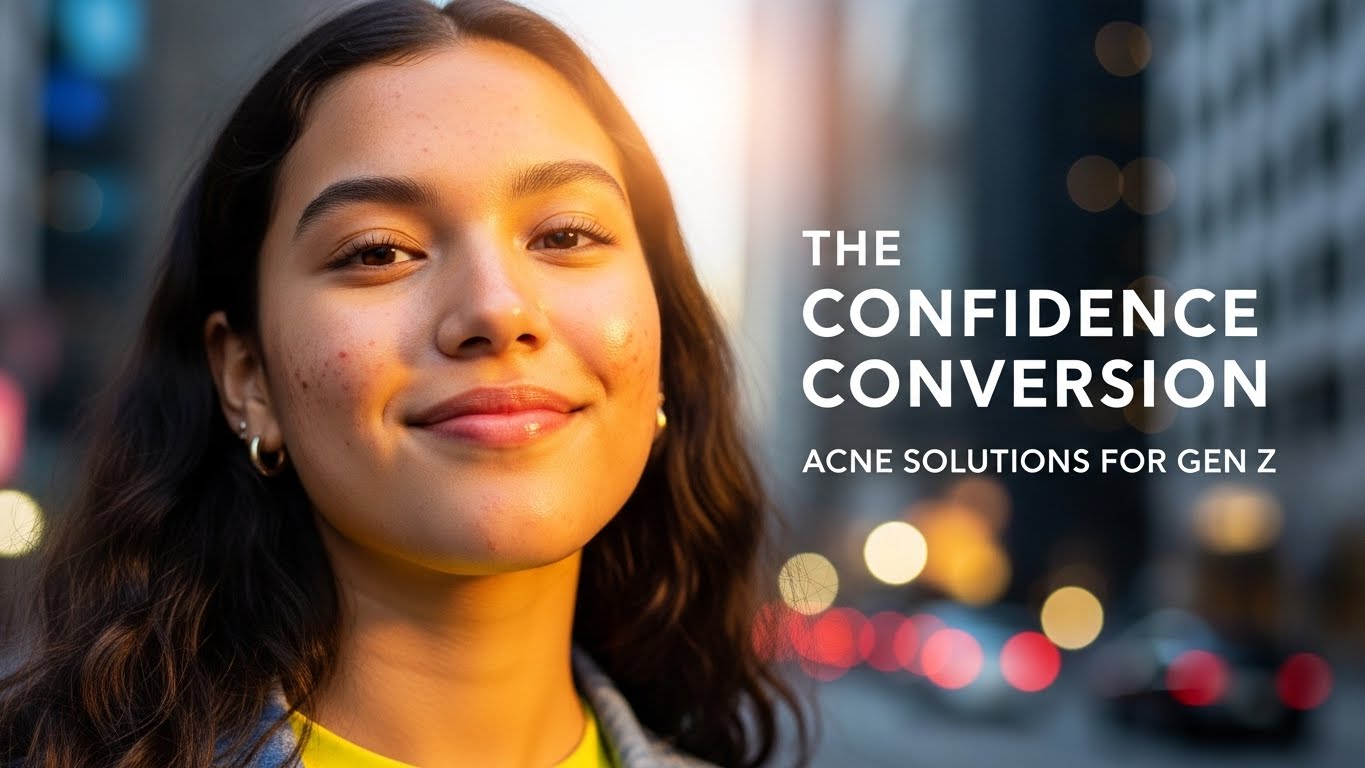
Building billion-dollar brands by celebrating real skin instead of weaponizing insecurity Gen Z doesn’t want your acne shame. They’ve seen through it. The decades-old playbook of “you’re broken, we’ll fix you” marketing that built billion-dollar brands? It’s not just ineffective with this generation—it’s actively repellent. They’ll call you out. They’ll screenshot your ad and dissect its manipulation on TikTok. They’ll tag you in posts about toxic beauty standards. And they’ll choose competitors who speak their language. Here’s what makes Gen Z different: they’ve grown up with acne positivity movements, skin texture acceptance, and influencers showing their real skin. When Emma Chamberlain posts makeup-free selfies with visible acne, when Lili Reinhart advocates for skin positivity, when “acne check” becomes a trending hashtag with millions celebrating breakouts—the cultural ground has shifted beneath the beauty industry’s feet. But here’s the paradox: Gen Z still buys acne products. A lot of them. They just won’t buy from brands that make them feel ashamed about needing help. They want solutions—but framed around confidence, self-care, and choice, not desperation, hiding, and fixing fundamental flaws. Brands like Starface (acne patches as fashion accessories), Peace Out Skincare (cute, approachable branding), and Hero Cosmetics (destigmatizing acne care) have built massive followings and eight-figure revenues by understanding this shift. They sell the same active ingredients as everyone else—but their messaging framework is radically different. This article will show you how to market acne solutions to Gen Z by celebrating confidence instead of exploiting insecurity—building authentic, profitable brands that this generation actually wants to support. To market effectively to Gen Z, you must understand how fundamentally their relationship with acne differs from previous generations. This isn’t just about being nicer—it’s about recognizing a complete value shift. According to YPulse research, 73% of Gen Z say they prefer brands that show “real skin” with texture, and 68% say they’re more likely to buy from brands that don’t use heavily filtered images. They can spot facade from authenticity instantly—and they reward authenticity with loyalty and wallet share. This doesn’t mean Gen Z doesn’t care about clear skin—they do. But they reject the framing that acne makes them less worthy, attractive, or valuable. They want products that help, not brands that shame. Old Way: “Suffering from embarrassing breakouts?” New Way: “Dealing with a breakout? Same. Here’s what helps.” Shift: From problem that isolates → to shared experience that unites Old Way: Photoshopped perfection or clinical close-ups. New Way: Real people with visible texture, pores, and yes, some acne. Shift: From aspirational perfection → to relatable reality Old Way: “You NEED this to be acceptable.” New Way: “Want help? We’re here. Your choice, your timeline, your skin.” Shift: From desperate necessity → to empowered self-care decision Old Way: Clinical packaging, serious medical claims. New Way: Playful branding, approachable messaging, skincare as self-care ritual. Shift: From intimidating treatment → to enjoyable wellness routine Old Way: Transactional relationship. New Way: Community where people share journeys, support each other, and your brand facilitates connection. Shift: From isolated consumers → to connected community members Core Principle: Gen Z doesn’t want brands that exploit their insecurities. They want brands that support their confidence while helping with real skin concerns. That’s not just ethics—it’s the most effective marketing strategy for this generation. Words matter profoundly in acne marketing. The difference between conversion and cancellation often comes down to a single phrase. Here’s how to speak Gen Z’s language: Before publishing any acne marketing, ask: “Would I feel good about myself after reading this?” If the answer is no, rewrite. Gen Z has spent their entire lives being marketed to—they can detect manipulation instantly. Speak to them like friends sharing helpful advice, not salespeople exploiting vulnerabilities. For decades, acne brands showed two visual extremes: sterile clinical close-ups of inflamed skin (scary, medical, isolating) or impossibly smooth, filtered perfection (unattainable, fake, alienating). Gen Z rejects both. They want to see real skin—textured, lived-in, human. This shift isn’t just aesthetic—it’s strategic. When customers see real skin in your marketing, they trust that your products work on real people, not just photoshop creations. Here’s how to master “real skin” visual storytelling that converts. Show pores, fine lines, natural skin texture—the things that make skin human: When Gen Z sees texture, they see honesty. When they see smoothed perfection, they see lies. Avoid the horror-show clinical acne photography. Show breakouts in context: The message: You’re a whole person, not just a skin condition. Acne is something you have, not who you are. Show the actual process of treating acne—ups, downs, patience required: This builds realistic expectations and prevents the disappointment-to-negative-review pipeline. Show acne treatment within the broader context of wellness and self-care: Position acne care as one part of holistic self-care—not the desperate center of someone’s existence. Gen Z expects comprehensive diversity—not tokenism: When people see themselves represented, they believe your product is FOR them—not just marketed AT them. The most powerful “real skin” content comes from actual customers: UGC doesn’t just prove your product works—it builds the community Gen Z craves. Starface transformed acne patches from medical devices into fashion accessories—and their visual storytelling reflects this. They show models with visible acne wearing their star-shaped patches like accessories. No clinical white background. No shame. Just people with acne going about their lives with cute patches on. Their campaigns feature diverse skin tones, real texture, and people smiling confidently with breakouts. They’ve normalized acne patches to the point where people wear them even WITHOUT acne as a style choice. That’s the power of shame-free visual storytelling—it doesn’t just sell products, it shifts culture. Result? 500%+ year-over-year growth and cult Gen Z following. When you move away from clinical, sterile, or heavily filtered acne visuals and embrace real skin in all its textured glory, you don’t just create more authentic marketing—you create conversion machines. Because Gen Z doesn’t want to be sold to with shame. They want to be celebrated as they are, while being offered helpful solutions. That’s the visual revolution. Learn the proven strategies successful Gen Z beauty brands use to build confidence-based marketing that converts without shame, celebrates real skin, and creates loyal communities that drive revenue. Explore the Beauty Marketing Course → Build brands Gen Z actually wants to support Gen Z doesn’t Google “best acne products”—they get recommendations from TikTok dermatologists, see products in Instagram Stories, and trust micro-influencers sharing their skin journeys. Here’s how to meet them where they are: TikTok is Gen Z’s search engine for skin advice. Winning strategies: Instagram is where community building happens: YouTube for longer-form, detailed content: Gen Z is price-conscious but values-driven. They’ll pay premium for brands aligned with their values, but they want transparency about costs and ethical business practices. Break down where money goes: “$32 product = $8 ingredients + $7 sustainable packaging + $9 manufacturing + $5 community investment + $3 operations.” Gen Z appreciates honesty about business costs. Emphasize what makes your brand worth premium: cruelty-free, sustainable packaging, fair labor, diverse-founded, portion of profits to mental health causes. Gen Z pays for values alignment. Offer smaller sizes or starter sets. Gen Z prefers testing before committing to full-size. “Try before you buy” reduces barrier to entry while respecting limited budgets. Gen Z isn’t loyal to brands that just want their money—they’re loyal to brands that support their journey. Acne treatment takes months; your marketing should reflect that timeline. Marketing acne solutions to Gen Z without shame isn’t just the right thing to do—it’s the most profitable strategy. This generation has grown up with body positivity, mental health awareness, and social media literacy. They can spot manipulation, they reject shame-based marketing, and they reward brands that treat them with respect. The brands dominating Gen Z acne market share aren’t those making the most aggressive claims or showing the most perfect skin. They’re brands celebrating confidence, showing real texture, building communities, and supporting customers through genuine skin journeys. “Gen Z doesn’t need brands to tell them they’re broken. They need brands to support them in taking care of themselves—on their own terms, in their own time, with products that actually work. When you market from a place of confidence instead of shame, you don’t just build a customer base—you build a movement. And movements scale into empires.” So show real skin. Use empowering language. Build community. Be transparent. Make it fun. Document honest journeys. And watch as Gen Z rewards your authenticity with loyalty, advocacy, and sustainable revenue growth. The confidence conversion isn’t a gimmick. It’s the future of acne marketing. Build brands that lift people up. Gen Z is watching—and they’re ready to buy. 💚✨ Share this guide with acne brands building confidence-first marketing! Keywords: Gen Z acne marketing, shame-free skincare, real skin movement, acne positivity, confidence-based marketing, authentic beauty marketing, skin texture acceptance, Gen Z beauty trends, acne solution marketing, youth skincare brandsUnderstanding Gen Z’s Relationship with Acne: A Cultural Shift
The Gen Z Acne Mindset
Normalization over hiding: “Skin is skin” mentality—acne is common, not shameful
Transparency over perfection: Filters are detected and rejected; realness is valued
Self-care over fixing: Acne treatment as part of wellness routine, not emergency intervention
Community over isolation: Shared experiences on TikTok/Instagram, not suffering alone
Empowerment over shame: “I’m treating my acne” not “I’m desperately hiding my flaw”
Playful over clinical: Fun packaging and brands, not sterile medical messagingThe Confidence Conversion Framework: Shame-Free Acne Marketing
Normalize, Don’t Dramatize
Show Real Skin, Really
Empower Through Choice
Make It Fun (Not Scary)
Build Community, Not Customers
Language That Lifts vs. Language That Shames
The Tone Test
Visual Storytelling for “Real Skin” Textures: Moving Away from Clinical
The Real Skin Visual Framework
1. Celebrate Texture, Don’t Erase It
2. Show Acne as Normal, Not Monstrous
3. Document Real Journeys, Not Just Endpoints
4. Lifestyle Context: Skincare as Self-Care
5. Diverse Representation: Every Skin Type, Tone, and Texture
6. User-Generated Content: Amplify Real Voices
Real Example: Starface’s Visual Revolution
Ready to Master Shame-Free Acne Marketing?
Platform Strategy: Where and How Gen Z Discovers Acne Solutions
TikTok: Education Through Entertainment
Instagram: Community and Visual Storytelling
YouTube: Deep-Dive Education
Pricing Psychology: Gen Z and Value Perception
The Value Communication Framework
Transparent Pricing
Value Beyond Price
Accessible Entry Points
Building Long-Term Relationships: Retention Over Acquisition
The Confidence Revolution: Where Ethics Meets Revenue
Resources for Gen Z Beauty Brands