Is your website a digital museum or a lead-generating machine? In 2026, you can’t afford to have a site that only looks “pretty.”
Conversion starts where aesthetics meet strategy.
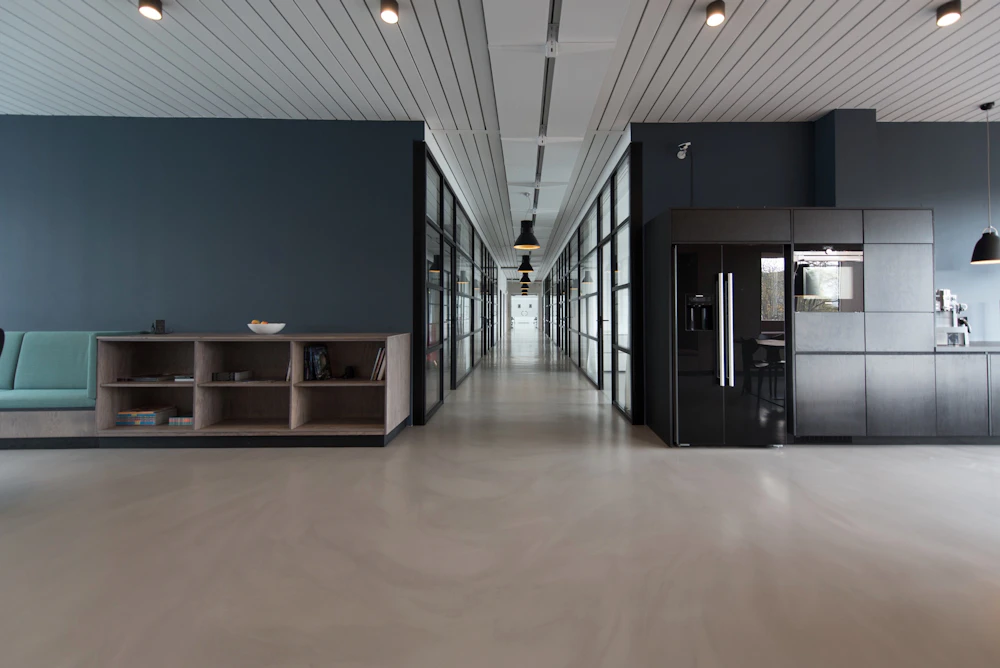
Most architecture websites suffer from “Minimalism to a Fault.” We see full-bleed, cryptic images of concrete corners and zero text. While this looks stunning to other architects on ArchDaily, it often confuses the actual client who is looking to spend $500k+ on a project.
In the attention economy of 2026, your website has exactly **three seconds** to tell a visitor who you are, what you do, and—most importantly—why they should trust you. Here is the blueprint for a high-converting architectural website.
1. The “Value-First” Hero Section
The top of your homepage shouldn’t just be a slideshow. It needs a clear **Unique Value Proposition (UVP)**. Instead of “John Doe Architects,” try: “Bespoke Residential Design for Sustainable Living in the Pacific Northwest.”
Clients hire architects to solve problems—zoning issues, light constraints, or lifestyle changes. State the solution you provide immediately.
| Feature | The “Old” Portfolio Site | The “2026” Conversion Site |
|---|---|---|
| Navigation | Hidden “Hamburger” menus | Clear, text-based labels |
| Images | Abstract “Arty” shots | Contextual lifestyle & site shots |
| Primary Goal | Win design awards | Book a consultation |
2. Replace “Galleries” with “Case Studies”
High-value clients aren’t just buying a building; they are buying a process. A simple gallery of 50 photos is overwhelming. Instead, use 3-5 deep-dive case studies. Each should follow the PSR Formula:
- Problem: What was the client’s struggle? (e.g., A dark, cramped Victorian terrace).
- Solution: Your unique architectural intervention (e.g., A double-height glass atrium).
- Result: How their life improved (e.g., “The client now hosts 20 people comfortably for dinner”).
The 3 Pillars of Conversion
Site Speed
If your 4K renders take 10s to load, you’ve lost them.
Mobile First
70% of initial research happens on a smartphone.
Clear CTA
“Contact” is too vague. Use “Book Your Project Review.”
Tired of Being Your City’s Best Kept Secret?
A website is only one piece of the puzzle. To truly scale your firm, you need a full marketing system that attracts premium clients consistently.
3. Strategic “Frictionless” Inquiries
Don’t just give an email address. Use a multi-step form that qualifies the lead. Ask about their budget range, project type, and timeline. This shows the client that you are a professional firm with a structured process, immediately elevating your authority.
Also, ensure your site is technically sound. Use tools like Google PageSpeed Insights to ensure your high-resolution portfolio isn’t killing your SEO ranking.