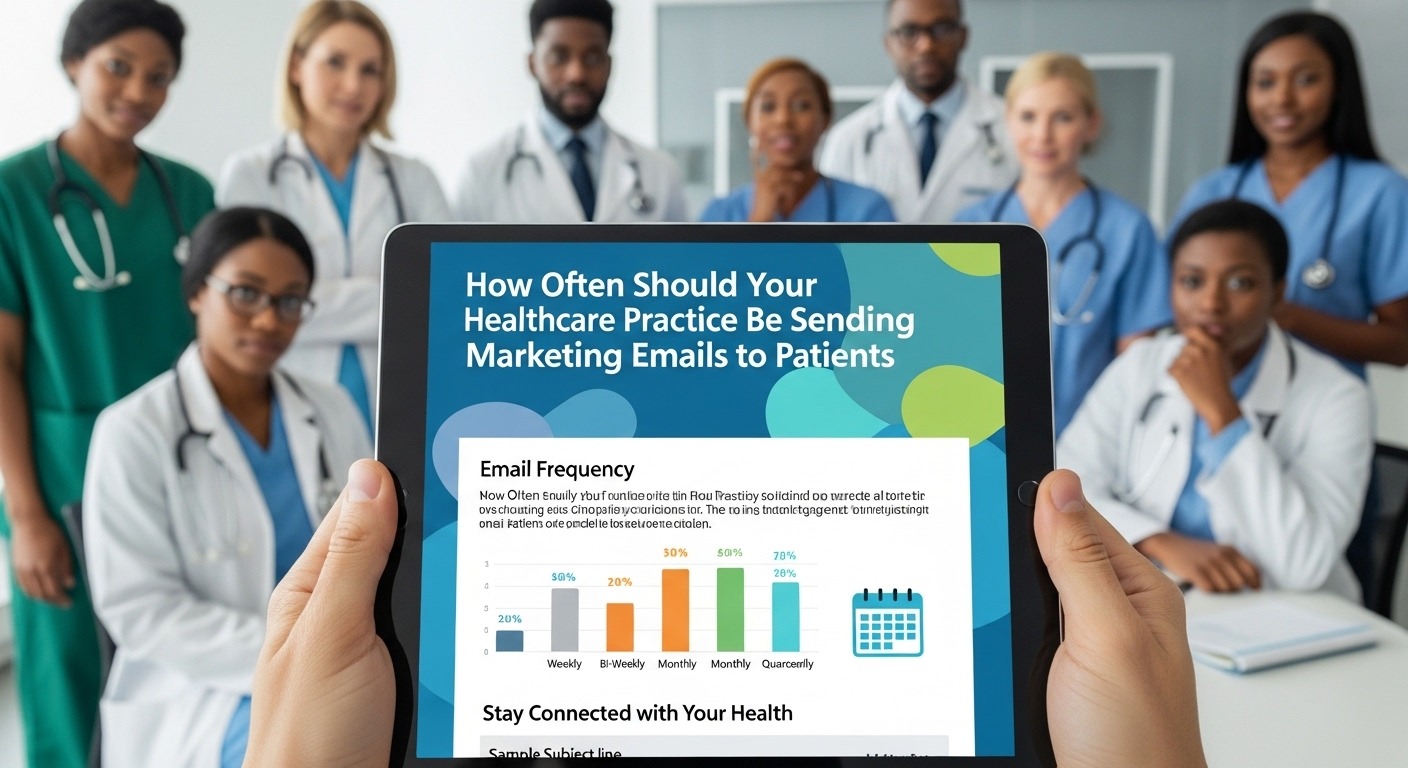
Finding the “Sweet Spot” between staying top-of-mind and being an annoyance in 2026.
In the digital-first healthcare landscape of 2026, email remains the most effective way to nurture patient relationships. However, the most common question practitioners ask is: “How often is too often?” Send too many, and your unsubscribe rate skyrockets. Send too few, and your patients forget you exist when they actually need care.
According to Statista, 49% of consumers say they would like to receive promotional emails from their favorite brands on a weekly basis. But healthcare isn’t “retail.” In medicine, frequency must be balanced with clinical relevance and empathy.
1. The “Frequency Framework” for Medical Practices
There is no one-size-fits-all answer, but there are proven benchmarks based on the type of email you are sending. In 2026, successful practices categorize their emails into three distinct “tempos.”
The Ideal Healthcare Email Cadence
Educational Newsletters
1x to 2x Per Month
Deep-dive health tips, clinic updates, and preventative care guides.
Transactional / Reminders
As Needed
Appointment confirmations, follow-ups, and lab result notifications.
Seasonal Campaigns
4x to 6x Per Year
Flu shots, allergy season prep, or year-end deductible reminders.
2. Segmentation: The Secret to Higher Frequency
The reason patients hit “Unsubscribe” isn’t usually the number of emails—it’s the lack of relevance. If you send a generic email to your entire database, your frequency must be low. If you segment your list, you can email more often because the content is hyper-relevant.
| Patient Group | Recommended Frequency | Content Type |
|---|---|---|
| New Patients | 3 emails in first 7 days | Welcome, FAQ, Meet the Team |
| Chronic Condition Mgmt. | Bi-Weekly | Management tips, med reminders |
| General Maintenance | Monthly | Wellness news, clinic updates |
Master the Full Healthcare Marketing Framework
Email cadence is just one part of a professional practice growth strategy. To truly dominate your local market, you need a system for High-Authority SEO, Automated Reputation Management, and Ethical Patient Acquisition. Learn the exact blueprints used by elite medical brands.
3. Monitoring Your “Sender Health”
In 2026, Google and Outlook have stricter spam filters than ever. If you email too frequently and patients mark you as spam, your important appointment reminders might stop being delivered. This is why following Google’s Quality Standards is essential for email as well as SEO.
Signs You Are Emailing Too Often:
- Your open rates drop below 20%.
- Unsubscribe rates climb above 0.5% per campaign.
- Patients mention they are “getting too much mail” during in-person visits.
Final Thoughts
The goal of healthcare marketing isn’t to blast patients with information; it’s to be a helpful, authoritative resource. Start with a monthly newsletter and a robust automated welcome sequence. Monitor your data, listen to your patients, and adjust your tempo accordingly. In healthcare, trust is built through quality, not just quantity.
© 2026 Patient Engagement Hub. All rights reserved.