Here is an uncomfortable truth: most tourism businesses are present on social media — but very few are actually using it to drive reservations. They post beautiful sunsets, get a few likes, and then wonder why their booking calendar is still half-empty.
The difference between a social media presence and a social media campaign that converts comes down to strategy. And that strategy — the same one used by the world’s most-booked tour operators and boutique hotels — is exactly what you will find in this guide.
According to the Q3 2025 Sprout Social Pulse Survey, 69% of consumers plan to use social media to plan travel in the next year — rising to 87% among Gen Z and 81% among Millennials. Your next guest is already scrolling. The question is whether your campaign is built to catch them.
Sources: Mize Tech 2025 · Thrivin Digital 2025
📋 What You Will Learn
- Why Random Posting Fails (and Campaigns Win)
- Step 1 — Set Goals That Connect to Reservations
- Step 2 — Know Exactly Who You Are Targeting
- Step 3 — Choose the Right Platforms
- Step 4 — Build a Content Strategy That Converts
- Step 5 — Run Paid Ads That Fill Your Calendar
- Step 6 — Leverage UGC & Influencer Partnerships
- Step 7 — Measure What Actually Matters
- Your 8-Week Campaign Launch Calendar
- Take the Next Step with Expert Training

A structured social media campaign turns content into a predictable reservation machine.
Why Random Posting Fails (and Campaigns Win)
A “social media campaign” is not just posting more often. It is a coordinated sequence of content, targeting, and calls-to-action — all engineered to move a stranger from scrolling to booking.
A 2025 systematic literature review on social media in tourism found that organisations which lack structured campaign frameworks — absent documentation, unclear goals, no performance metrics — consistently fail to convert their social audience into paying guests.
| Attribute | ❌ Random Posting | ✅ Structured Campaign |
|---|---|---|
| Goal | “Get more followers” | Increase direct bookings by 30% in 60 days |
| Content | Whatever feels right today | Planned sequence across the buyer journey |
| Targeting | Existing followers only | Cold + warm + retargeting audiences |
| CTA | None, or vague “check link in bio” | Specific booking page with conversion tracking |
| Measurement | Vanity metrics (likes) | Revenue, cost-per-booking, ROAS |
Step 1 — Set Goals That Connect to Reservations
Every great campaign starts with a SMART goal tied directly to bookings. Sprout Social reports that 65% of marketing leaders say demonstrating how social campaigns connect to business goals is crucial for securing investment — yet most tourism businesses skip this step entirely.
🎯 The SMART Goal Template for Tourism Campaigns
S
Specific
“Increase direct bookings via Instagram”
M
Measurable
“Generate 40 reservation clicks per week”
A
Achievable
Realistic vs. current baseline performance
R
Relevant
Tied to peak season / new tour launch
T
Time-Bound
“Within the next 8 weeks”
Example SMART Goal: “Run a paid + organic Instagram campaign from April 1–May 31 to generate 80 direct reservation clicks per week from our sunset yacht tour page, targeting couples aged 28–45 within a 150km radius.”
Notice how this goal is not about “engagement” or “growing followers.” It is about reservation clicks — the action that leads directly to revenue.
Step 2 — Know Exactly Who You Are Targeting
Targeting “people who like travel” is like casting a net the size of an ocean and expecting a specific fish. Effective tourism campaigns target a precise customer avatar. Here’s how to build yours:
👤 Demographics
- Age range & gender
- Location (city, radius, country)
- Income bracket
- Travel group type (solo / couple / family)
🧠 Psychographics
- Values & lifestyle (adventure / luxury / culture)
- Pain points (stress, choice-paralysis, FOMO)
- Dreams (bucket-list experiences)
- Trust signals they respond to
📱 Digital Behaviour
- Which platforms they use most
- When they scroll (peak times)
- Content formats they engage with
- Pages / accounts they follow
✈️ Booking Behaviour
- How far in advance they book
- Average spend per trip
- How they research (reviews, UGC, influencers)
- Decision triggers (scarcity, discount, guarantee)
💡 Pro Tip: Mine Your Best Existing Reviews
Read your last 20 five-star reviews on Google, TripAdvisor, or Airbnb Experiences. The words your guests use to describe what they loved are your marketing copy — and the profile of who is writing them is your ideal customer avatar.
Step 3 — Choose the Right Platforms
Not every platform works equally for tourism. Industry data shows that TikTok leads travel industry engagement at 8.74%, while Instagram maintains the highest reach and booking intent. Here is how to allocate your effort:
| Platform | Engagement Rate | Best Content Type | Best For | Priority |
|---|---|---|---|---|
| 1.41% | Reels, carousels, Stories | Discovery + bookings | 🔥 Must-Have | |
| 🎵 TikTok | 8.74% | Short-form video, trends | Gen Z & Millennial reach | High |
| 0.27% | Video, paid ads, groups | 35–55 age group + retargeting | High | |
| High intent | Destination boards, guides | Long-lead trip planning | Medium | |
| Low | Articles, B2B messaging | Corporate travel & groups | Medium | |
| 🐦 X (Twitter) | 0.04% | Real-time updates | Customer service, PR | Optional |
Source: Mize Tech — Social Media & Tourism Industry Data 2025
Step 4 — Build a Content Strategy That Converts
A conversion-driven content strategy maps every post to a stage in the buyer journey. Sprout Social’s 2025 benchmarks show tourism brands are rapidly shifting from static images to video, multi-image carousels, and immersive content — because travellers want to feel the destination before they book it.
The Tourism Social Media Content Funnel
Stage 1 — AWARENESS (Top of Funnel)
Inspire & Attract
🌍
Content types: Scenic Reels, “Hidden gem” posts, trending audio videos, destination spotlights, stunning photography carousels. Goal: Reach strangers who don’t know you exist yet.
Stage 2 — CONSIDERATION (Mid Funnel)
Build Trust & Desire
🤔
Content types: Guest testimonial videos, behind-the-scenes Stories, FAQ Reels, “What’s included” carousels, tour guide introductions, comparisons. Goal: Answer objections, show value, build credibility.
Stage 3 — DECISION (Bottom of Funnel)
Convert to Booking
🛒
Content types: Limited-availability posts, early-bird offers, final-call Stories, direct booking CTAs with swipe-up/link stickers, retargeted ads showing what they viewed. Goal: Create urgency and remove friction from the booking action.
📊 The 80/20 Content Mix Rule
80%
Value & Entertainment
Tips, stories, behind-the-scenes, destination content, guest experiences
20%
Promotional Posts
Offers, availability, direct booking calls-to-action

Content mapped to the buyer journey turns scrollers into confirmed guests.
Step 5 — Run Paid Ads That Fill Your Calendar
Organic content builds trust. Paid ads fill calendars on a timeline. Tourism brands using retargeting with conversion tracking report dramatically higher booking rates — because they reach people who have already expressed interest in their experience.
The 3-Layer Tourism Ad Structure
Cold Prospecting Ads — Awareness Layer
Target new audiences who match your customer avatar. Use interest-based & lookalike audiences. Run inspiring, low-pressure content — Reels, scenic videos — with no hard sell. Budget: ~40% of total ad spend.
Warm Engagement Retargeting — Consideration Layer
Retarget people who watched your video, engaged with your profile, or visited your site. Show social proof — guest testimonials, review highlights, “what’s included” content. Budget: ~35% of total ad spend.
Hot Retargeting — Conversion Layer
Target people who visited your booking page but didn’t complete. Show urgency-based ads: “Only 3 spots left this weekend,” “Early bird closes Friday.” Direct link to booking form. Budget: ~25% of total ad spend.
📍 Don’t Forget Geo-Targeting
Travel marketing experts highlight geo-targeted campaigns as a cornerstone of modern tourism advertising. Set location-based ad parameters to target travellers in your catchment area (e.g., 150km radius), or if you attract international visitors, target the top feeder cities and countries from your booking data.
Step 6 — Leverage UGC & Influencer Partnerships
Industry analysts confirm that influencer marketing, user-generated content (UGC), and brand storytelling are the strongest drivers of brand trust in 2025 — and that visitors are far more likely to engage with real customer experiences than with brand-produced ads.
📸 User-Generated Content (UGC)
The most authentic and cost-effective content you can get. Here is how to generate it systematically:
- Create a branded hashtag and promote it on every tour
- Set up photo moments on your tour route
- Ask for tags in follow-up emails post-tour
- Repost the best UGC with credit (always ask permission)
- Feature UGC in paid ads — it outperforms polished ads
🤝 Influencer Partnerships
You don’t need mega-influencers. Micro-influencers with 5,000–50,000 followers in your niche convert far better:
- Find influencers whose audience matches your avatar
- Offer a complimentary experience in exchange for content
- Brief them on key messages — not a script
- Request usage rights to repurpose their content in ads
- Track bookings using unique discount codes
$247B
Influencer marketing surpassed paid search at $247.3 billion globally in 2025 — underlining why authentic creator partnerships are no longer optional for tourism brands serious about growth. Source: Mize Tech 2025
Step 7 — Measure What Actually Matters
Most tourism businesses track vanity metrics — likes, follower count — and wonder why they can’t justify their social media budget. Sprout Social confirms that responding to only 6% of messages is a common failure point — and that tracking the wrong metrics leads to misallocated budgets. Here is what to track instead:
| Metric | What It Tells You | Tool | Priority |
|---|---|---|---|
| Reservation Clicks | Direct intent to book | Google Analytics / Meta Pixel | 🔴 Critical |
| Cost Per Booking (CPB) | Profitability of campaign | Meta Ads Manager | 🔴 Critical |
| Video Watch Rate | Content quality & hook strength | Instagram Insights | 🟠 High |
| Link-in-Bio CTR | Traffic to booking page | Linktree / Later | 🟠 High |
| Saves & Shares | Intent & virality signals | Instagram / Facebook Insights | 🔵 Medium |
| Engagement Rate | Content resonance | Native analytics | 🔵 Medium |
🧪 A/B Test Everything
Tourism marketing advisors recommend testing different versions of your social posts, ad creatives, and CTA buttons systematically. Test one variable at a time — hook text, thumbnail, CTA copy, audience segment — and let data guide your budget allocation. Small tweaks can produce large booking differences.
Your 8-Week Campaign Launch Calendar
Use this phased framework to launch your first structured reservation-driving campaign in 8 weeks. Each phase builds on the previous one:
Weeks 1–2
Foundation & Setup
Define SMART goals. Build customer avatar. Audit existing content & accounts. Install Meta Pixel & Google Analytics. Set up link-in-bio tool. Choose primary platform. Create content bank (10–15 pieces).
Weeks 3–4
Organic Warm-Up
Launch awareness content (Reels, carousels, Stories). Post 5× per week. Engage with comments within 1 hour. Begin hashtag campaign. Identify and approach 2–3 micro-influencers. Monitor early engagement data.
Weeks 5–6
Paid Ads Activation
Launch cold prospecting ads (top-of-funnel). Retarget video viewers with social proof ads. A/B test 2 ad creatives per ad set. Monitor CPM, CTR, and reservation clicks weekly. Adjust budget to best performers.
Weeks 7–8
Conversion Push & Analysis
Launch urgency/scarcity posts and ads. Run hot retargeting to booking-page visitors. Feature influencer & UGC content. Compile campaign report: bookings, CPB, ROAS, top content. Plan next campaign based on learnings.
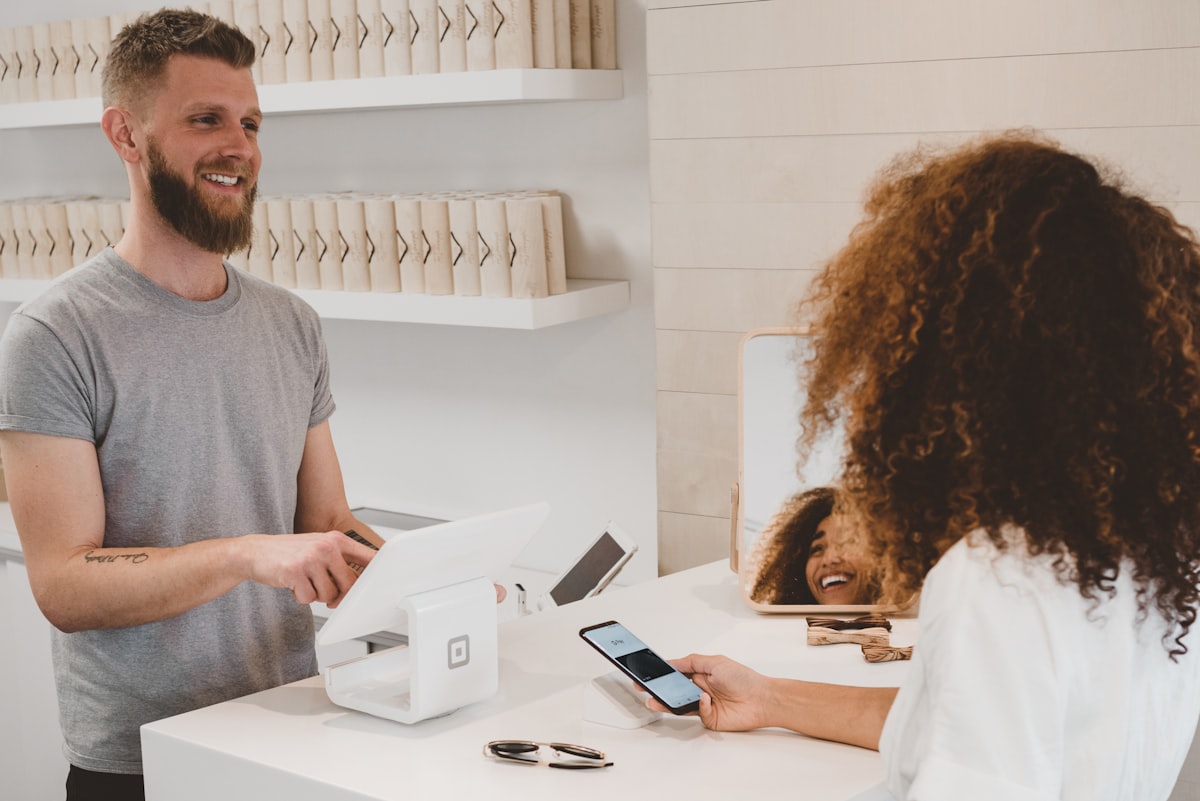
Tracking the right metrics turns your campaign from a guess into a repeatable revenue system.
⚡ Campaign Launch Checklist — Before You Go Live
- ☑ SMART campaign goal documented
- ☑ Customer avatar defined
- ☑ Platforms selected & optimised
- ☑ Content mapped to funnel stages
- ☑ Meta Pixel & Google Analytics installed
- ☑ Content bank of 10–15 pieces ready
- ☑ Branded hashtag created & promoted
- ☑ Ad audiences & budgets configured
- ☑ Booking page CTA link live & tested
- ☑ Weekly reporting dashboard set up
Easy Marketing School
Hospitality & Tourism Marketing Specialists
We help tour operators, hotels, and experience businesses build social media systems that drive real reservations — not just followers.