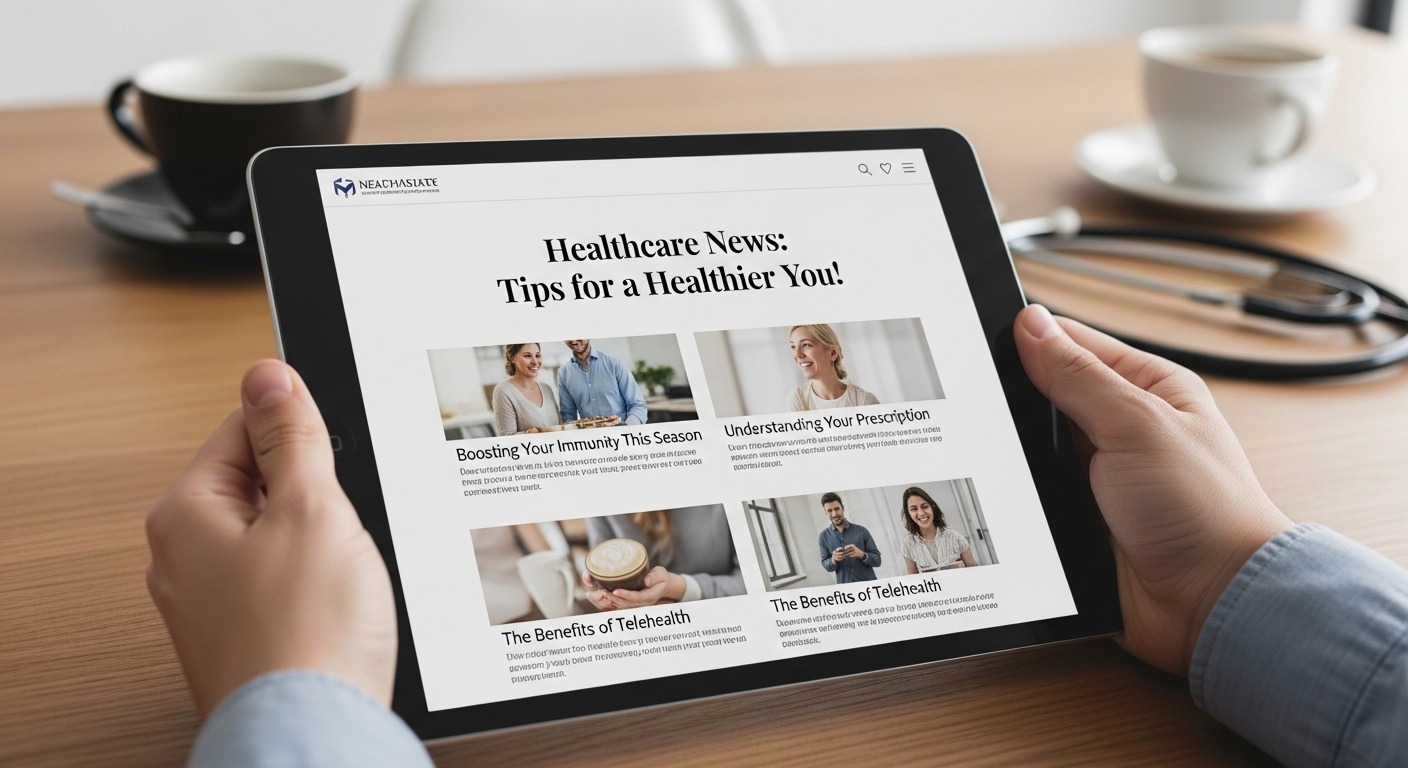
Stop ending up in the ‘Promotions’ tab. Learn the art of the high-value medical newsletter.
In 2026, the average patient’s inbox is a battlefield. Between retail discounts and work notifications, your medical practice’s newsletter has exactly 2.5 seconds to prove its worth before being deleted. If your emails feel like “marketing,” they will be ignored. If they feel like essential health advocacy, they will be opened.
According to Statista, email marketing in the healthcare sector has one of the highest engagement rates—but only when the content is personalized and authoritative. Here is how to move from “unread” to “must-read.”
1. The Psychology of the Subject Line
The subject line is the “packaging” of your expertise. In healthcare, fear-mongering or clickbait titles destroy trust instantly. Instead, use Curiosity + Benefit.
The “Open-Rate” Winning Formula:
- Personalization: Using the patient’s name increases opens by up to 26%.
- Niche Specificity: Instead of “March Newsletter,” try “3 Ways to Manage Spring Allergies in [City Name].”
- The “How-To” Hook: People open emails that solve a problem they are currently experiencing.
The Anatomy of a Perfect Patient Email
Subject Line
Short, specific, and benefit-driven. Under 40 characters for mobile.
80/20 Value
80% educational tips/health news; 20% practice updates/offers.
Clear CTA
One single, bold button (e.g., “Book Your Spring Checkup”).
2. Content That Builds Clinical Authority
Patients don’t want a sales pitch; they want an expert mentor. Your newsletter should provide “snackable” medical insights that establish your E-E-A-T (Experience, Expertise, Authoritativeness, and Trustworthiness). This is also excellent for SEO, as consistent email traffic to your blog posts signals authority to Google.
| Feature | Forgettable Email | High-Engagement Email |
|---|---|---|
| Tone | Clinical and dry | Warm and empathetic |
| Focus | Internal clinic news | Patient pain points & solutions |
| Visuals | Stock medical photos | Video snippets of the doctor |
Scale Your Practice with a Professional Framework
Email is just one piece of the puzzle. To truly dominate your market, you need a full-funnel strategy that connects high-authority content with Local SEO and automated reputation management. Learn the exact blueprints used by elite medical brands.
3. Timing and Segmentation
Sending a generic email to your entire list is a mistake. In 2026, segmentation is key. If you are a pediatric dentist, your emails to parents of toddlers should look very different from your emails to parents of teenagers needing braces.
As noted in the Google Quality Guidelines, relevance is the most important factor in user experience. By segmenting your list, you ensure that every email provides specific value, which keeps your “sender reputation” high and keeps you out of the spam folder.
Final Thoughts
A healthcare newsletter is a long-term relationship tool, not a short-term sales engine. When you focus on solving patient problems, speaking with empathy, and delivering consistent clinical value, you build a brand that patients trust—and one they look forward to seeing in their inbox every month.
© 2026 Patient Engagement Academy. All rights reserved.