
How conscious beauty brands are rewriting the rules of growth in 2025
In an industry historically dominated by mass production and aggressive marketing, a quiet revolution is taking root. Eco-inclusive skincare brands are proving that scaling doesn’t require sacrificing authenticity, environmental values, or community connection. These are brands built on intention rather than interruption, on substance rather than spectacle.
But here’s the challenge: How do you grow a conscious beauty brand without losing the very essence that made customers fall in love with you in the first place? The answer lies in understanding what we call the “eco-inclusive framework” – a strategic approach that merges sustainable practices with accessible, community-centered growth.
What Defines Eco-Inclusive Skincare?
Eco-inclusive skincare goes beyond being “clean” or “green.” It represents a holistic philosophy that encompasses:
- Environmental stewardship: Sustainable sourcing, reduced carbon footprint, and circular packaging
- Social responsibility: Fair trade practices, ethical labor, and community investment
- Accessibility: Products that serve diverse skin types, tones, and price points
- Transparency: Open communication about ingredients, processes, and impact
- Educational empowerment: Helping consumers make informed choices

The Scaling Paradox: Growth vs. Authenticity
Traditional scaling models often force brands to choose between rapid growth and maintaining their values. For eco-conscious skincare companies, this creates a unique tension. According to Business of Fashion’s sustainability report, 73% of consumers say they’d stop buying from brands that compromise their environmental commitments for growth.
The brands that are winning this new era understand that sustainability isn’t a marketing tactic—it’s a business model. They’re building customer loyalty not through discounts and flash sales, but through consistent values and genuine impact.
Visual Storytelling for “Well-Considered” Minimalist Brands
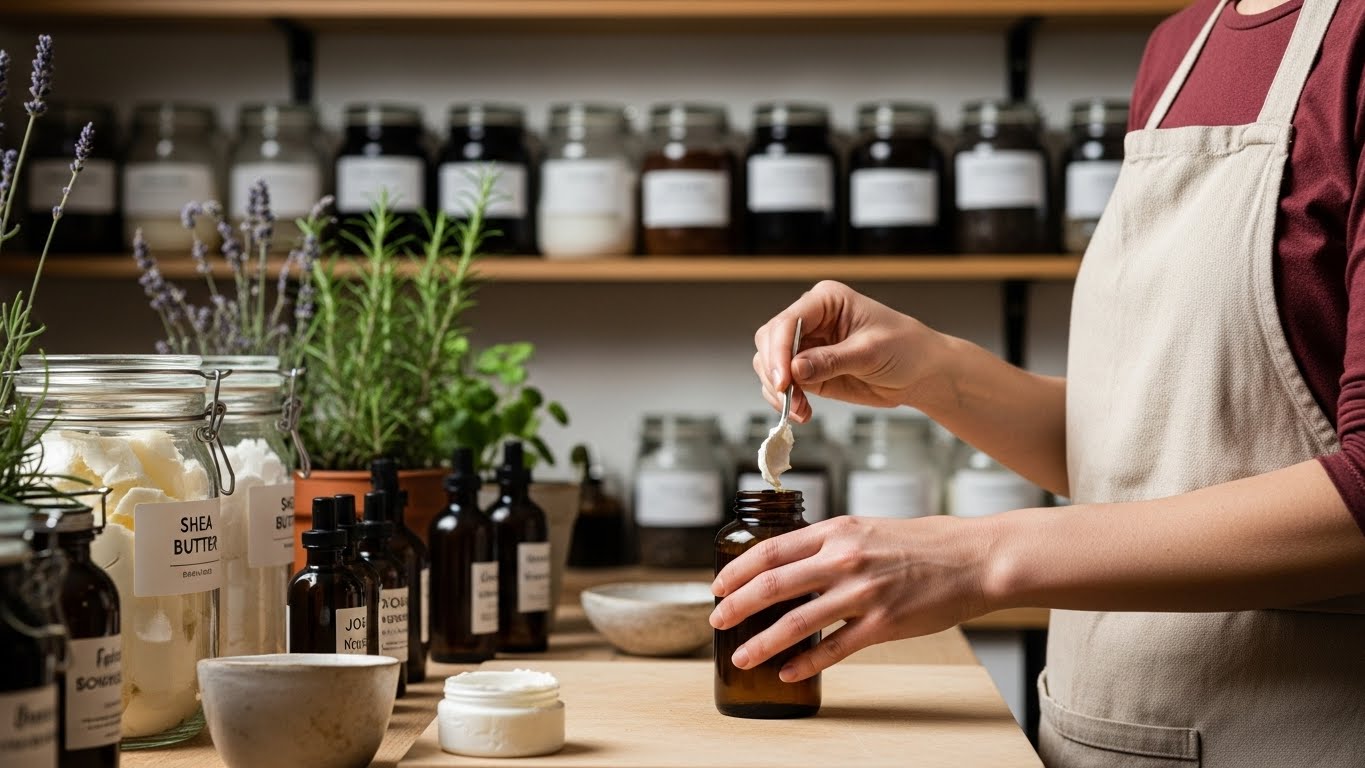
In the age of infinite scroll and diminishing attention spans, minimalist eco-brands face a unique challenge: How do you stand out while staying true to your understated aesthetic? The answer lies in intentional visual storytelling—a strategic approach that communicates depth, values, and authenticity without shouting.
The Power of Restraint in Brand Imagery
Minimalist brands understand that what you don’t show is just as important as what you do. According to research from Think with Google, consumers spend an average of 2.6 seconds on brand imagery before deciding to engage further. For well-considered brands, those seconds must convey:
- ✓
Quality over quantity: One perfectly composed product shot speaks louder than ten mediocre angles - ✓
Natural context: Show products in real environments, not sterile studio settings - ✓
Ingredient storytelling: Showcase raw materials and sourcing journeys - ✓
Behind-the-scenes transparency: Document production processes, team members, and supplier relationships - ✓
White space as intention: Use negative space to create breathing room and focus
Content Pillars for Minimalist Beauty Brands
🌿 Ingredient Origins
Showcase where your ingredients come from—farms, cooperatives, wild-harvested locations. Tell the story of the people behind each component.
🧪 Process & Craft
Demystify formulation. Share the “why” behind ingredient choices, the science of skin health, and your testing methodology.
💚 Impact Stories
Document your environmental initiatives, carbon offset programs, community partnerships, and progress toward sustainability goals.
Ready to Master Visual Storytelling for Your Beauty Brand?
Learn proven strategies to scale your eco-inclusive skincare brand through authentic, compelling content that converts.
Explore the Beauty Marketing Course →
Join hundreds of conscious beauty founders growing with integrity
Five Strategic Principles for Scaling Without Selling Out
1. Build Community Before Audience
Instead of chasing follower counts, eco-inclusive brands focus on cultivating genuine relationships. This means creating spaces for dialogue—whether through online forums, in-person events, or co-creation opportunities. Brands like Youth to the People and Drunk Elephant built cult followings by prioritizing community feedback over paid advertising.
2. Embrace Slow, Intentional Product Development
The pressure to constantly launch new products is real, but sustainable brands resist it. They perfect formulations over months or years, test rigorously, and only release products that genuinely solve customer needs. This “slow beauty” approach builds trust and reduces waste from failed launches.
3. Transparent Supply Chain as Marketing Asset
Modern consumers, especially millennials and Gen Z, want to know exactly where products come from. Brands that openly share supplier relationships, ingredient costs, and manufacturing processes differentiate themselves dramatically. Consider implementing blockchain tracking or detailed “origin story” pages for each product.
4. Partner with Purpose-Aligned Retailers
Not all distribution is created equal. Selective retail partnerships with stores that share your values—think Credo Beauty, The Detox Market, or Follain—ensure your brand message remains intact. According to NPD Group research, specialty clean beauty retailers grew 24% year-over-year, outpacing traditional channels.
5. Measure Impact Alongside Revenue
Create a dual-metric dashboard that tracks both business KPIs and impact metrics: carbon footprint per unit sold, percentage of recycled packaging, fair trade ingredient sourcing, employee satisfaction scores, and community investment. Share these numbers publicly, including when you fall short—it builds credibility.

Marketing Strategies That Honor Your Values
Traditional beauty marketing relies heavily on aspirational imagery, celebrity endorsements, and manufactured urgency. Eco-inclusive brands are forging a different path—one that’s more authentic, educational, and community-driven.
The Real Challenges (And How to Overcome Them)
Let’s be honest: scaling an eco-inclusive skincare brand is harder than conventional models. You’ll face challenges that mass-market brands never encounter.
Higher Production Costs
Challenge: Sustainable ingredients, ethical labor, and eco-friendly packaging cost more.
Solution: Be transparent about pricing. Educate customers on why products cost what they do. Consider a tiered pricing model that allows accessibility while covering costs.
Longer Time to Market
Challenge: Rigorous testing, ethical sourcing, and thoughtful formulation take time.
Solution: Turn the waiting period into anticipation. Share your development journey publicly. Create pre-launch communities that give early access and input.