“When a traveler books your tour through Tripadvisor, they encounter Tripadvisor’s brand throughout the entire journey — not yours. They will remember Tripadvisor. Not you.”
— Checkfront — The Complete Guide to Branding for Tour Operators
That one sentence captures the existential challenge facing every independent tour operator in 2026. OTAs now capture over 40% of the total global travel market — and that share is growing. Booking Holdings, Expedia, and Airbnb collectively command billions in annual marketing spend. Their algorithms decide who gets seen. Their reviews decide who gets trusted.
Competing with that budget is impossible. But here is the thing: brand identity is the one advantage that money cannot simply buy. A strong brand creates loyalty, commands premium pricing, drives direct bookings, and turns guests into advocates — none of which Booking.com can replicate for you.
This article explains exactly why — and gives you the framework to build it.
The Stakes in 2026
Sources: Mize Tech 2025 · Zaui Distribution Report · Checkfront 2025
In This Article
- The OTA Problem: Why Being a Listing Is Killing Your Business
- What Brand Identity Really Means for Tour Operators
- The 5 Pillars of a Tour Operator Brand Identity
- Why Niche Is Your Greatest Competitive Weapon
- Brand Identity vs. OTA Dependence: The True Cost
- Real Brand Examples Tour Operators Can Learn From
- Your 7-Step Brand Identity Action Plan
- Build Your Brand with Expert Guidance
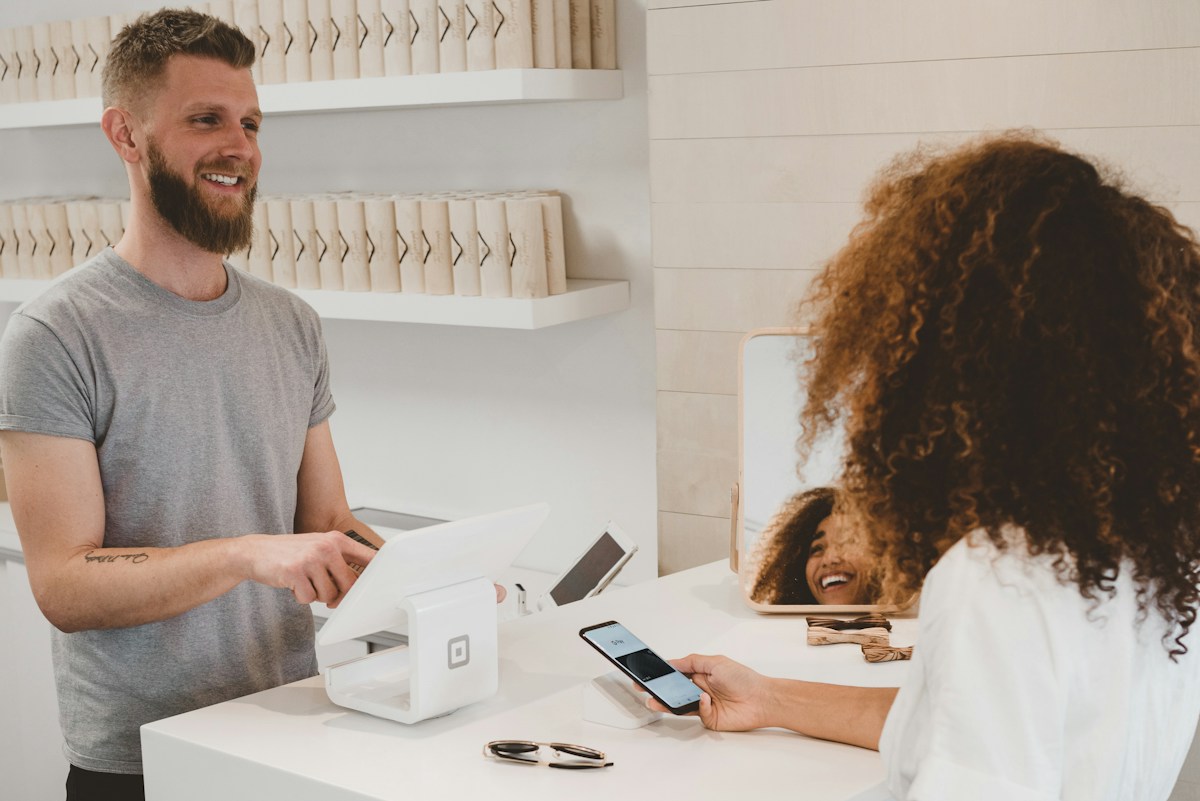
In a crowded marketplace, brand identity is what separates a memorable experience from just another listing.
The OTA Problem: Why Being a Listing Is Killing Your Business
The rise of online travel agencies was supposed to be good news for small tour operators. More reach, more visibility, less marketing overhead. And initially, it was. But a decade later, the picture is far grimmer.
A landmark 2025 industry report warns that AI-powered OTAs now threaten to relegate small operators to “mere inventory suppliers” — stripping them entirely of brand identity and direct customer relationships. Your tour becomes a commodity priced by an algorithm, compared side-by-side with every competitor, and purchased by a guest who will never remember your name.
🔁
No Repeat Bookings
Guests book again through the OTA — not directly with you. You pay the commission every single time.
💸
Margin Erosion
25–30% commissions on every OTA booking compresses profits to near zero on many tours.
📉
Price Wars
When you’re listed alongside 20 competitors doing the same activity, price becomes the only differentiator.
👻
Brand Invisibility
Guests associate the experience with Tripadvisor or Viator. Your business remains unknown, unreferred, and unremarkable.
⚠ The Digital Divide Is Widening
Industry analysts warn that the gap between well-branded operators and anonymous OTA listings is accelerating in 2025. AI-driven search and autonomous booking agents increasingly favour established, recognisable brands — further marginalising operators who have not invested in their own identity.
What Brand Identity Really Means for Tour Operators
Brand identity is not your logo. It is not your colour palette or your Instagram aesthetic — though these play a role. Brand identity is the total impression your business creates in the mind of a traveller — before, during, and long after their experience with you.
Branding experts for tour operators define it as the convergence of three forces: what you say (your voice and story), what you look like (visual identity), and what you deliver (guest experience). When these three are aligned, you have a brand. When they are misaligned — or absent — you have a commodity.
The Brand Identity Triangle
Voice & Story
What you say, how you say it, your origin story, your mission, your tone across every channel
Visual Identity
Logo, colour palette, typography, imagery style, website design — consistently applied everywhere
Guest Experience
What you actually deliver — every touchpoint from first enquiry to post-tour follow-up
The Golden Rule: When all three align perfectly, guests feel something they cannot explain — they just know they would book with you again, and they tell their friends.
The 5 Pillars of a Tour Operator Brand Identity
Tourism branding specialists identify a clear hierarchy of elements that form a tour operator’s brand identity. Think of them as building blocks — each one supports everything above it:
Why Niche Is Your Greatest Competitive Weapon
Booking.com lists millions of properties. Viator lists hundreds of thousands of experiences. Trying to compete by being “good at everything for everyone” against those numbers is a strategy for obscurity. The operators who are winning — genuinely winning — have done the opposite.
“Specialisation allows operators to develop deep expertise and a distinctive brand voice. This focused identity makes marketing more effective and memorable.”
— Softrip: Small Markets, Big Returns — Profitable Niches for Tour Operators
Niche positioning and strong brand identity work together. When you specialise — in dark sky astronomy tours, Jewish heritage walks, accessible adventure travel, multigenerational family expeditions — your brand becomes the only logical choice for that specific traveller. You stop competing on price entirely.
| Benefit of Niche Branding | Commodity (Generic) Operator | Branded Niche Operator |
|---|---|---|
| Pricing Power | Races to the bottom to compete | Commands premium; rarely discounts |
| Customer Loyalty | One-and-done transactions | High repeat booking & referral rates |
| Marketing Cost | High spend to reach anyone who travels | Laser-targeted, low-cost, high-conversion |
| OTA Dependency | Fully dependent; no leverage | Uses OTAs as one channel, not the only one |
| Guest Lifetime Value | Single booking only | Multiple bookings + referrals + UGC |

Niche tour operators with strong brand identities consistently outperform generic competitors — regardless of OTA commission structures.
Brand Identity vs. OTA Dependence: The True Cost
Let us run a simple scenario. A tour priced at €120 per person, with 10 guests per tour, running 3 times per week.
This is a conservative illustration. TOMIS’s 2025 Tourism Marketing Report confirms that operators who invest in stronger branding, optimised websites, and direct booking strategies are significantly more profitable and far less vulnerable to OTA algorithm changes, fee increases, or policy shifts.
Real Brand Examples Tour Operators Can Learn From
Xola’s analysis of the travel industry’s strongest brands reveals consistent patterns. Here are four lessons every independent operator can apply immediately:
Lesson from: G Adventures
Build Your Brand Around a Cause
G Adventures built a major international business on one clear purpose: sustainability-first, community-back travel. Every product, every partner, every piece of content reflects this. The lesson: pick a genuine cause that connects to your operation — conservation, local economy, cultural preservation — and make it central to your identity.
Lesson from: Adventure Niche Operators
Own a Visual World, Not Just a Logo
The strongest adventure travel brands use cohesive visual storytelling — rugged fonts, earthy tones, cinematic landscape imagery — so consistently that you recognise the brand before you read the name. TOMIS confirms that operators who invested in professional photography and cinematic content in 2024 saw measurably higher direct bookings.
Your 7-Step Brand Identity Action Plan
Building a brand identity does not require a six-figure agency budget. It requires clarity, consistency, and the courage to commit to a specific vision. Start here:
Audit Your Current Brand Perception
Ask 10 recent guests to describe your business in three words. Read your last 20 five-star reviews. The language they use is your real brand — compare it to how you currently describe yourself. The gap reveals the work.
Define Your Purpose & Values
Write a one-paragraph brand manifesto. Why do you exist? What do you believe about travel? What do you refuse to compromise on? This becomes the north star for every brand decision you make.
Choose Your Niche Position
Complete the UVP template: “We are the only [tour type] in [destination] that [specific differentiator] for [guest type] — so they can [emotional outcome].” If you cannot complete this clearly, your positioning is not yet sharp enough.
Build or Refresh Your Visual Identity
Commission a simple logo, define a 3-4 colour palette, choose two fonts (one for headings, one for body text), and establish a photography style. Apply these consistently across your website, social profiles, email templates, and physical materials.
Write Your Brand Voice Guide
Create a one-page document describing your tone (e.g., warm and expert, bold and adventurous, quietly luxurious) with examples of “we say this / we never say this.” Share it with every guide, admin, and partner who communicates on your behalf.
Create Your Direct Booking Infrastructure
Build a fast, mobile-optimised website with direct booking functionality. Collect guest emails at every touchpoint. Set up post-tour follow-up sequences. Your goal: every OTA customer who finds you should be able to find and book you directly on their next trip — without the commission.
Measure, Iterate & Protect Your Brand
Track brand performance through direct booking percentage, repeat guest rate, referral rate, and average booking value year-over-year. A strong brand should produce increasing direct traffic and decreasing OTA dependency — not the other way around.

Tour operators who invest in brand identity report higher direct booking rates, stronger guest loyalty, and greater pricing power.
The Argument in Summary
OTAs now control 40% of global travel bookings — and growing. Without a brand, you are simply inventory.
A strong brand creates guest loyalty, word-of-mouth, and repeat bookings — revenue streams OTAs cannot intercept.
Niche positioning combined with brand identity eliminates price competition and attracts higher-value guests.
The 5 pillars — Purpose, Positioning, Visual Identity, Voice, and Guest Experience — must all align for a brand to work.
Shifting from 100% OTA to 70% direct bookings on a typical operation generates over €30,000 more annually — with zero additional tours run.
Easy Marketing School
Hospitality & Tourism Brand Strategy Specialists
We help tour operators and hospitality brands build identities that compete — not just exist. From brand strategy to social media to direct booking systems, we equip independent operators to grow without growing their OTA dependency.