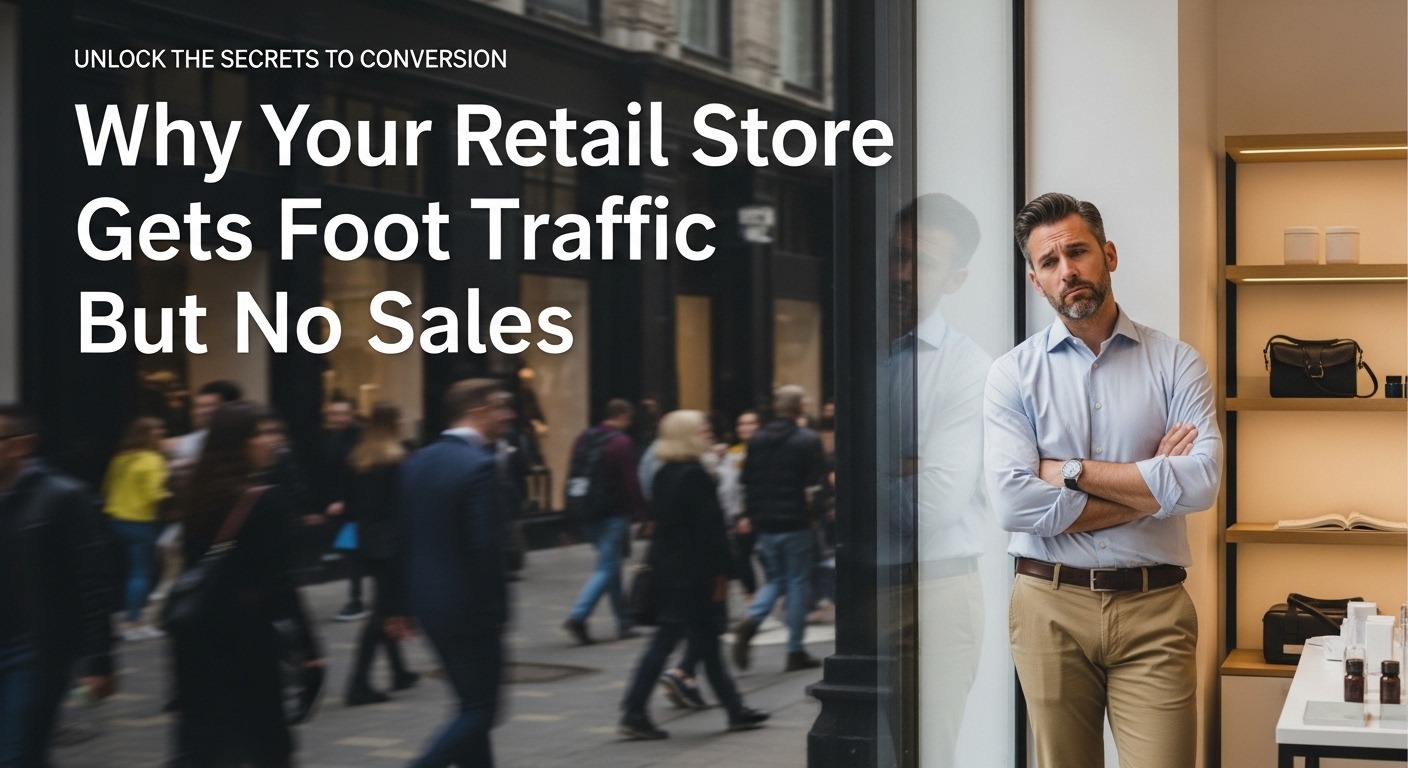
Imagine this: your storefront looks great, your location is visible, and people walk in every day. Yet at the end of the month, your sales numbers tell a different, frustrating story. If this sounds familiar, you’re not alone — and it’s not bad luck.
The gap between foot traffic and actual revenue is one of the most common — and costly — problems in retail today. The good news? Every single cause of this gap is fixable once you understand what’s really happening inside your store. In this guide, we break down the hidden conversion killers and give you a practical roadmap to turn browsers into buyers.
📋 Table of Contents
- The Foot Traffic Paradox: What the Data Really Shows
- Reason #1 — Your Store Layout Is Working Against You
- Reason #2 — Your Staff Aren’t Selling, They’re Just Standing
- Reason #3 — Your Pricing Signals Are Sending the Wrong Message
- Reason #4 — You Have No In-Store Marketing Strategy
- Reason #5 — You’re Attracting the Wrong Audience
- The Conversion Rate Framework for Retail
- Your Action Plan: 30-Day Fix
Industry Benchmark
Only 20–30%
of retail visitors make a purchase. The top performers convert 40–60%. The gap is strategy — not luck.
Source: Shopify Retail Industry Report
The Foot Traffic Paradox: What the Data Really Shows
Foot traffic is exciting. It feels like success. But foot traffic and sales conversion are two completely different metrics — and most retail owners confuse them. Your store could have hundreds of visitors a day and still be struggling financially if your conversion rate is low.
Turning visits into sales is the core of our retail marketing course: customer journey, positioning and retention lessons built on stories from boutiques and specialty stores.
According to the National Retail Federation’s 2024 report, the average brick-and-mortar retail conversion rate hovers between 20% and 30%. High-performing stores hit 40–60%. That difference isn’t location or product — it’s in-store strategy.
Reason #1: Your Store Layout Is Working Against You
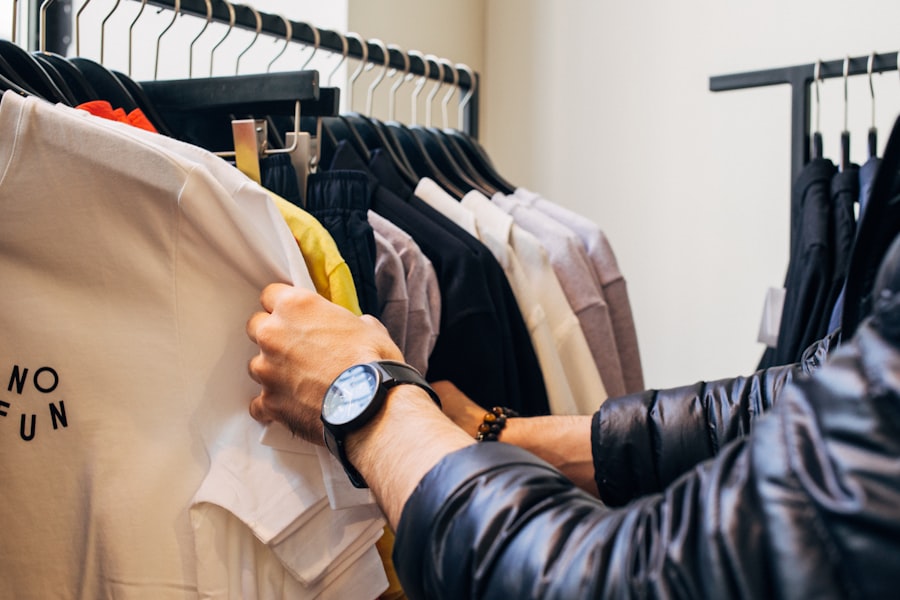
Research in retail psychology shows that shoppers make unconscious decisions within the first 90 seconds of entering a store. If your layout creates confusion, friction, or a lack of direction, they’ll leave — even if they intended to buy.
Common Layout Mistakes
The “decompression zone” near the entrance is ignored. Shoppers need 10–15 feet to mentally adjust before noticing products.
The wall directly across from the entrance is prime real estate. If it’s blank or used for storage, you’re wasting your highest-visibility space.
Studies show 90% of shoppers turn right upon entering. If there’s no clear path, customers wander and leave faster.
High-margin, low-cost impulse buys belong near checkout — not buried in aisles where browsers won’t find them.
Reason #2: Your Staff Aren’t Selling — They’re Just Standing
Your team might be polite. They might even be friendly. But there’s a massive difference between pleasant presence and active selling. According to Salesforce’s Connected Customer Report, 84% of customers say being treated like a person — not a transaction — is key to winning their business.
| Passive Staff Behavior | Active Selling Behavior |
|---|---|
| ❌ “Let me know if you need help” | ✅ “What brings you in today — any occasion we can help with?” |
| ❌ Stands behind the counter | ✅ Walks the floor, engages shoppers naturally |
| ❌ Answers questions only | ✅ Suggests complementary products (upselling) |
| ❌ Lets browsers walk out quietly | ✅ Addresses hesitation: “Can I tell you more about that?” |
Training your team on consultative selling techniques — asking questions, listening, and guiding — can increase conversion by 20–35% without a single penny spent on advertising.
Reason #3: Your Pricing Signals Are Sending the Wrong Message

Pricing isn’t just about the number on the tag — it’s about the story that number tells. Too low and shoppers question quality. Too high without context and they walk. Confusing pricing (no tags, inconsistent formats, unclear promotions) triggers anxiety and leads to abandonment.
Pricing Psychology Fact
“Anchoring” a premium item next to mid-range products can increase mid-range sales by up to 40%.
Concept from Behavioral Economics: Anchoring Effect
Smart Pricing Tactics for Retail Conversion
- Use charm pricing ($19.99 vs $20) for everyday goods but whole numbers for premium items — it signals quality.
- Always show a comparison price (was/now) to create urgency and perceived value.
- Create a good-better-best tiered display so customers self-select, rather than walking away confused.
- Make prices instantly visible — no price = no purchase for 73% of shoppers.
Reason #4: You Have No In-Store Marketing Strategy
Marketing doesn’t stop at the door. In fact, the most powerful marketing moment happens inside your store, when a customer is already there, wallet in hand. Point-of-purchase research consistently shows that 76% of buying decisions are made inside the store — not before the customer arrives.
🗺 In-Store Marketing Touchpoints
Window Display
First impression. Rotated seasonally. Single, clear message.
Shelf Talkers & Signage
Highlight bestsellers, new arrivals, and social proof (“200 sold!”).
Digital Screens
Showcase demos, testimonials, and time-limited offers on loop.
Checkout Zone
Loyalty program, impulse buys, and “one more thing” upsell moments.
QR Codes
Connect to reviews, how-to videos, or exclusive online-only discounts.
Sensory Marketing
Music tempo, scent, and lighting all influence dwell time and spend.
Reason #5: You’re Attracting the Wrong Audience
High foot traffic doesn’t mean the right foot traffic. If your marketing (social media, signage, flyers, Google listings) attracts people who were never going to buy from you, your conversion rate will always disappoint. This is an audience alignment problem — and it’s more common than you think.
For example: if you sell premium artisan goods and your Instagram is full of discount posts and price-focused messaging, you’ll attract bargain hunters — not your ideal buyer. Read more about audience targeting in Harvard Business Review’s retail personalization study.
| Question to Ask | What It Reveals |
|---|---|
| Who is actually walking in? | Your current audience — may differ from target |
| Why did they come in? | What message attracted them |
| Why didn’t they buy? | Expectation mismatch or barrier in store |
| Where did they hear about you? | Which channel brings buyers vs browsers |
The Conversion Rate Framework for Retail
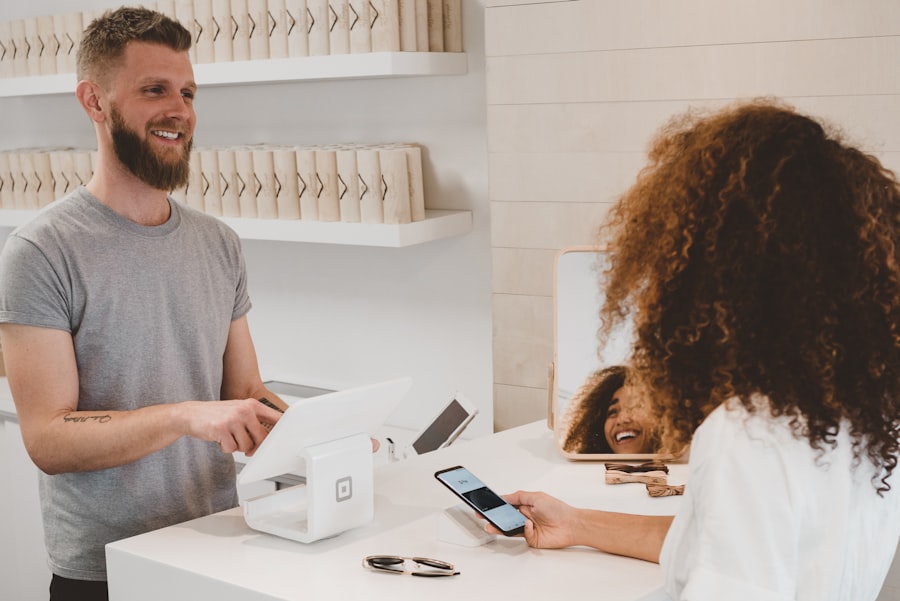
Now that you understand the problems, let’s look at a structured framework for measuring and improving your in-store conversion rate. You can’t manage what you don’t measure.
| Metric | Formula | Benchmark | What Low Score Means |
|---|---|---|---|
| Conversion Rate | Transactions ÷ Visitors × 100 | 20–40% | Store experience, layout, staff issues |
| Average Transaction Value | Revenue ÷ Transactions | Varies by sector | No upselling, poor product grouping |
| Units Per Transaction | Items Sold ÷ Transactions | 1.5–2.5 | Missed cross-sell opportunities |
| Dwell Time | Avg. minutes in store | 8–14 minutes | Layout, experience, or relevance issue |
Your Action Plan: 30-Day Retail Fix
Stop guessing. This 30-day sprint addresses each of the five root causes with specific, implementable actions:
Final Thought: Foot Traffic Is an Opportunity, Not a Guarantee
Every person who walks through your door represents a moment of trust. They chose to give you their time. The stores that convert consistently aren’t lucky — they’ve built systems that honour that trust by making it easy, enjoyable, and obvious to buy.
The five reasons covered here — layout, staff behaviour, pricing signals, in-store marketing, and audience alignment — are all within your control. Start with one. Measure it. Improve it. Then move to the next. That’s how great retail businesses are built.
For further reading, explore the Retail Dive industry hub, the Shopify Retail Trends blog, and the National Retail Federation’s research library.
Written by
Easy Marketing School
Practical marketing education for independent retail and small business owners. easymarketingschool.org
📈 Conversion
🛍 Merchandising