Expand your reach beyond your storefront and start selling to the world—without losing your mind in the process.
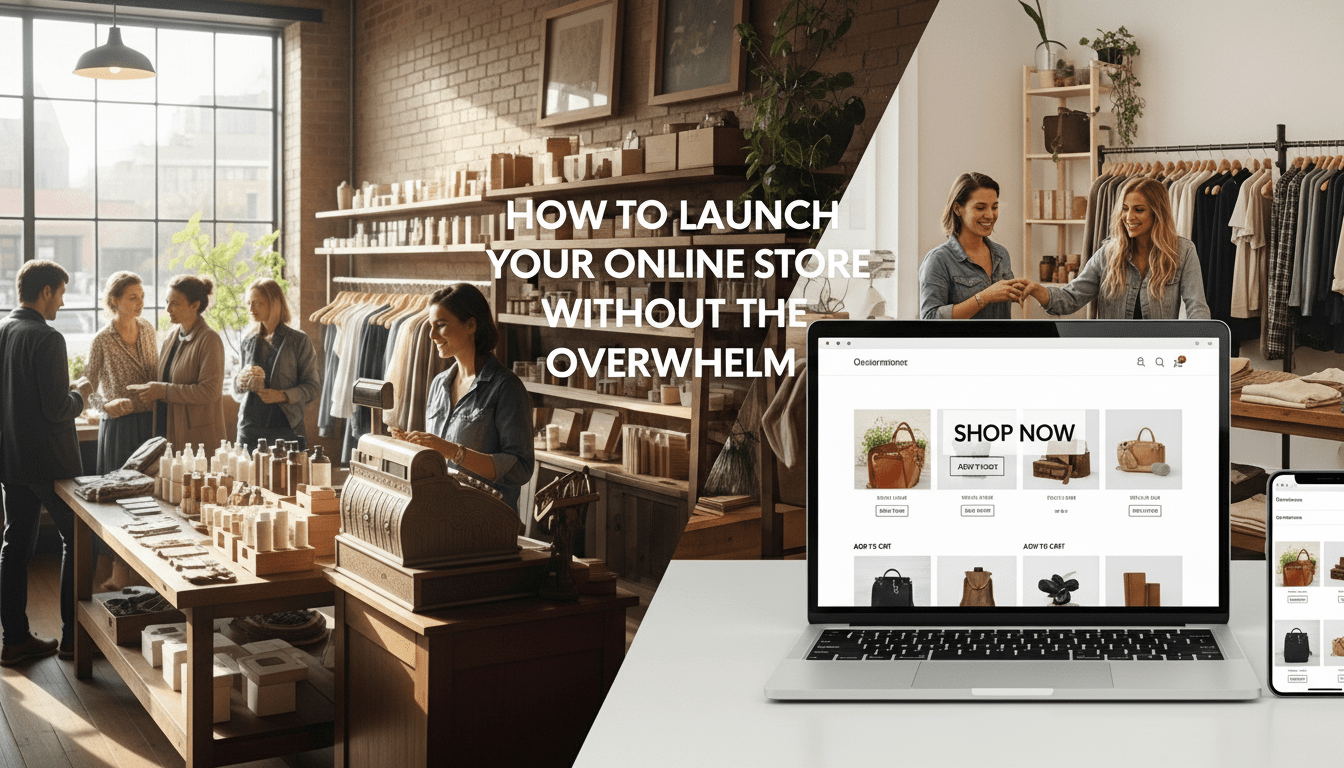
In 2026, the term “retailer” no longer means just a person with a physical shop. It means a brand that is accessible wherever the customer is. If you’ve been hesitant to take your local business online because it feels like “starting over,” you aren’t alone. However, the hybrid retail model (omnichannel) is now the gold standard for survival.
According to Statista, omnichannel shoppers have a 30% higher lifetime value than those who shop using only one channel. Moving online isn’t about replacing your physical store; it’s about magnifying its potential. Here is how to do it without the technical overwhelm.
1. Start with “BOPIS” (Buy Online, Pick Up In-Store)
You don’t need to master global shipping on day one. The easiest way to transition is to offer your local customers the convenience of browsing your inventory from home and picking it up at your shop. This eliminates the complexity of logistics while increasing your foot traffic.
The Strategy: Use your existing Point of Sale (POS) system—like Shopify or Square—to sync your physical inventory with a simple web template. This ensures you never sell an item online that just walked out the front door.
The 3-Step “No-Stress” Launch
Curation
Don’t list all 500 items. Start with your top 20 best-sellers only.
Clean Imagery
Smartphone photos work! Use natural light and a clean background.
Flat-Rate Shipping
Don’t guess. Set one price for shipping to keep your checkout simple.
2. Choose the Right Platform for Growth
Many retailers fail because they try to build a custom website from scratch. For a physical store, you need a platform that “talks” to your brick-and-mortar operations.
| Platform | Best For | Setup Difficulty |
|---|---|---|
| Shopify | Seamlessly syncing POS & Web | Low (Highly Recommended) |
| WooCommerce | Total control & customization | Moderate |
| Square Online | Simple “BOPIS” & Local Pickup | Very Low |
Master the Art of Multi-Channel Retail
Launching a store is just the beginning. From advanced inventory psychology to high-ROAS local advertising and scaling your operations, learn the blueprints used by seven-figure retailers.
3. The “Two-Way” Marketing Strategy
Once your online store is live, your physical store becomes your best marketing tool. Put QR codes on your shopping bags and receipts that lead directly to your online shop. Conversely, your website should feature your physical address and “Live Inventory” to drive foot traffic for people who want the item right now.
As noted by Shopify’s Retail Guide, the goal is to make the shopping experience “channel-less.” The customer shouldn’t care where they buy; they should only care that they are buying from you.
Final Thoughts
Transitioning to an online-offline hybrid model doesn’t have to be a tech nightmare. By starting small with your best-sellers, focusing on local pickup first, and choosing a platform that integrates with your current workflow, you can future-proof your business and reach customers while you sleep. The world is ready to shop with you—are you ready to let them?
© 2026 Modern Retail Growth Academy. All rights reserved.