The most powerful marketing tool available to any small retail store owner isn’t Facebook ads, Google PPC, or influencer partnerships. It’s something free, hyper-local, and deeply human: your community.
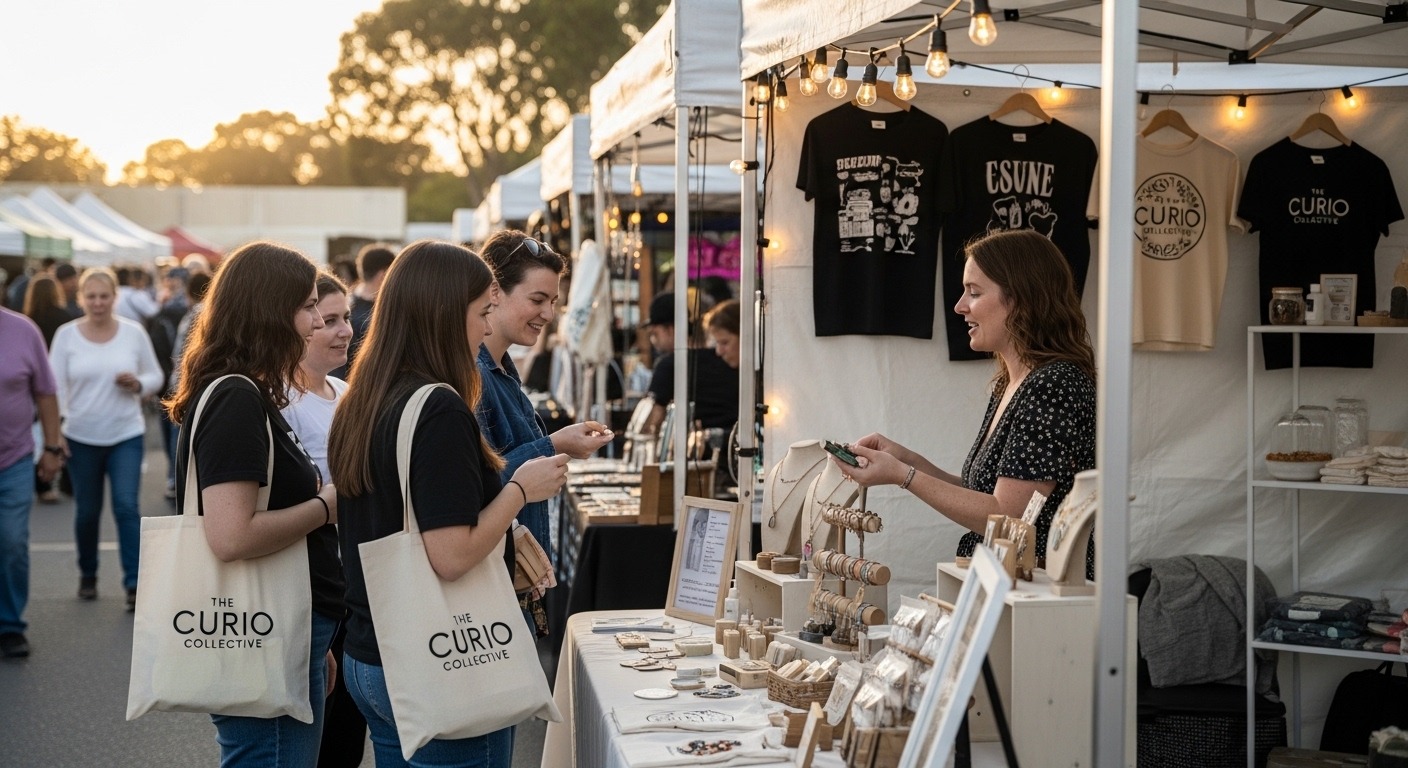
Farmers markets, street festivals, school fairs, charity fundraisers, neighborhood clean-ups, art walks, food truck rallies — your town or city is full of gatherings that draw in exactly the local, engaged audience your store needs. And unlike digital advertising, showing up at these events builds something no algorithm can manufacture: genuine, face-to-face trust.
This guide gives you a complete playbook for finding the right community events, showing up in a way that’s memorable and brand-consistent, converting event visitors into store customers, and turning one-time appearances into year-round word-of-mouth marketing engines — all without spending a cent on advertising.
📖 What You’ll Discover
Why Community Events Are Retail’s Secret Weapon
Think about the last time you personally discovered a business you fell in love with. Chances are it wasn’t through a Facebook ad. It was a friend’s recommendation, a chance encounter, or — very likely — a community event where you met the people behind the brand face to face.
That personal encounter is worth more than thousands of ad impressions. According to Nielsen’s Trust in Advertising research, 88% of consumers trust recommendations from people they know above all other forms of advertising. Community events generate exactly that kind of trust — at scale and at no cost.
The Local Marketing Advantage
Here’s the most important strategic insight: when people see your store at a community event, they stop thinking of you as “a store” and start thinking of you as “part of our neighbourhood.” That identity shift is priceless — and it’s the foundation of genuine, lasting customer loyalty that no digital campaign can replicate.
How to Find the Right Local Events for Your Store
Not every community event is the right fit for every store. Your goal is to find events where your ideal customer is already spending their time. A children’s toy boutique should be at school fairs and family festivals. A premium wine shop belongs at art gallery openings and culinary events. Strategic alignment amplifies your impact.
Here are the best places to discover community events in your area:
Facebook Events & Groups
Search Facebook Local Events and join your city’s community Facebook groups. These are goldmines for finding farmers markets, neighbourhood festivals, fundraisers, and pop-up markets — often posted weeks in advance.
Local Council & BID Websites
Your local Business Improvement District (BID) or council website typically maintains a calendar of approved community events. Sign up for their newsletter — they often send vendor call-outs directly to registered local businesses.
Local Newspaper & Nextdoor
Nextdoor is the neighbourhood social network where local events get promoted organically. Also check your local newspaper’s events section — both print and digital — for upcoming community dates.
Chamber of Commerce
Join your local Chamber of Commerce. Many host monthly networking events, business expos, and community showcases free for members. The connections you build here will send referrals for years.
Eventbrite & Meetup
Eventbrite and Meetup.com list community events by category and location. Filter by “free” events in your city and you’ll find dozens of gatherings where your store’s presence would be natural and welcome.
Schools & Religious Organisations
Schools, churches, mosques, synagogues, and community centres run fetes, fairs, fundraisers, and bazaars throughout the year. Contact them directly to offer support as a vendor, donor, or sponsor. They’ll actively promote you to their community.
Action Step: Set a recurring monthly calendar reminder called “Find local events.” Spend 30 minutes the first Monday of each month scanning these six sources and logging upcoming events in a simple spreadsheet. Aim to identify at least 2–3 events per month where your store has a natural reason to show up. Volume of presence is what builds community recognition.
8 Types of Community Events & How to Use Each One
Different types of community events require different approaches. Here’s your cheat sheet — the most common event types a small retailer encounters, and the exact marketing moves to make at each one.
| Event Type | Your Best Role | Free Marketing Move | Lead Capture Tactic |
|---|---|---|---|
| 🌾 Farmers Market | Vendor stall or loyal customer | Free branded samples or product demos | Email sign-up for “first pick” new arrivals |
| 🎪 Street Festival | Activity stall, branded giveaways | Instagrammable booth; branded bag handouts | Prize draw entry = email address |
| 🏫 School Fair | Donation sponsor or activity host | Donate prizes; brand prominently on all signage | Flyer with QR code to email list sign-up |
| 🏃 Charity Run/Walk | Water station sponsor or team sponsor | Branded water cups and volunteer t-shirts | Discount card handed to every finisher |
| 🎨 Art Walk / Gallery Night | Venue partner or featured business | Open your store as a venue; serve refreshments | Guest book / email sign-in at entrance |
| 🍴 Food & Drink Festival | Tasting partner or product collaborator | Co-brand with a food vendor; recipe handouts | Recipe card with store address and social handles |
| 🌿 Community Clean-Up | Team sponsor; supply coordinator | Branded t-shirts and refreshments for volunteers | Post-event discount for participants |
| 📖 Book / Craft Fair | Exhibitor stall or workshop leader | Teach a short, related skill (10–20 min) | Workshop attendee email sign-up for future classes |
How to Show Up in a Way People Remember
Simply being present at a community event is not enough. You need to create a moment — something that sticks in people’s minds and gives them a clear, positive association with your store. The businesses people remember at community events all share the same five qualities.
Be Genuinely Helpful, Not Salesy
People at community events are in a social, relaxed mode — not a shopping mode. Lead with value: a free sample, a tip, a demonstration, a conversation. The sale comes later, naturally, from the relationship you’ve started. The most effective community marketers never feel like they’re selling.
Make Your Branding Unmissable
A simple, beautiful banner with your store name, logo, and a one-line description (“The neighbourhood’s favourite gift shop”) is worth more than any sales pitch. People who don’t stop by today still absorb your brand visually. Invest in one great printed banner — it will serve you for years across dozens of events.
Create a Specific Reason to Visit Your Store
Every person who interacts with you at the event should leave with a specific invitation to your store. Not a vague “come visit us sometime” — but a tangible offer: a discount card valid for the next two weeks, a free gift with their first purchase, or an invitation to an event the following weekend. Give them a concrete reason to walk through your door.
Make It Photogenic and Shareable
Add one memorable visual element to your table or stall — an oversized product, a colourful display, a chalkboard sign with a clever message. This invites people to photograph and share your presence on social media, multiplying your reach far beyond the attendees who actually stopped by.
Show Up Consistently, Not Just Once
Community recognition is built through repetition. The first time people see your store at an event, they notice. The third time, they remember you. The sixth time, they trust you. Commit to showing up at the same recurring events — the monthly farmers market, the annual street fair — and your presence becomes part of the community’s fabric.
Capturing Leads & Converting Event Visitors to Customers
A community event appearance without a lead capture strategy is a missed opportunity. The people you speak with at events are warm, engaged prospects — they’ve already shown interest by stopping at your table. Your job is to capture their details so you can continue the relationship after the event ends.
Email Sign-Up with Incentive
Have a tablet or sign-up sheet ready. Offer something tangible in exchange: “Sign up for 15% off your first in-store visit.” Use a free tool like Mailchimp with a simple mobile sign-up form. This is your highest-value lead capture method.
Prize Draw Bowl
A fishbowl with business cards or a slip of paper for a prize draw is a classic for a reason — it works. The prize should be a store gift voucher (not cash), ensuring the winner becomes a store visitor. Email everyone who entered with a consolation discount.
QR Code to Landing Page
Print a large, scannable QR code on your banner or display that links directly to a sign-up page offering a discount or freebie. Use QR Code Generator to create one in minutes. People are comfortable scanning — it’s frictionless for them.
Branded Discount Cards
Hand out small, beautifully printed cards with a time-limited offer: “Present this card in-store before [date] for a free gift with any purchase.” Include your store address, social handles, and website. The deadline creates urgency; the physical card reminds them you exist.
📬 The Post-Event Email Sequence (3 emails, 7 days)
A warm, personal note referencing the event by name. Remind them of your store and the offer they signed up for. Include your store address and opening hours. Keep it short — 3 paragraphs maximum.
Share why you started the store, what you carry, and what customers love about you. Include 2–3 beautiful product photos. This is relationship-building, not selling. End with a soft invitation to visit.
A gentle urgency reminder that their sign-up discount or welcome offer expires in 3 days. Include a clear CTA: “Visit us at [address] before [date].” This email typically converts 2–3× higher than the first two because urgency activates action.
Turning Community Events into Social Media Content
One community event, executed with social media in mind, can generate a week’s worth of high-quality, authentic content for your Instagram, Facebook, and TikTok accounts. Here’s exactly how to maximise every event for social reach.
| When | Content Idea | Platform | Goal |
|---|---|---|---|
| 3 Days Before | “We’ll be at [Event Name] this weekend — come say hi! Here’s what we’re bringing…” | All platforms | Announce & build anticipation |
| Morning Of | Behind-the-scenes: setting up the stall, loading the car, getting ready | Stories, TikTok | Humanise & drive attendance |
| During Event | Live stories: the crowd, your display, customer interactions (with permission) | Instagram Live, Stories | Real-time FOMO & engagement |
| Same Evening | Reel or TikTok recap: best moments, what sold out, community atmosphere | Reels, TikTok | Discovery & reach |
| Day After | “Thank you” post tagging the event organisers & community partners | Facebook, Instagram | Community goodwill & cross-reach |
| 3 Days After | “We met so many of you at [Event] — here’s your welcome offer before it expires!” | Email + all social | Convert event leads to store visits |
Event Sponsorship on a Zero Budget
“Sponsorship” doesn’t always mean writing a cheque. For small retailers, the most effective form of community sponsorship is in-kind contribution — donating products, services, or time in exchange for prominent brand visibility at an event.
Event organisers — especially community groups, schools, charities, and local associations — are almost always short on resources and very grateful for in-kind support. A well-structured in-kind sponsorship proposal can get your store’s name on event banners, programs, social posts, and announcements for the cost of a gift basket or a few product samples.
🌿 In-Kind Sponsorship Ideas (Zero Cash, High Impact)
Hosting Your Own Community Event
There is a ceiling to what you can achieve by attending other people’s events. The highest level of community marketing is hosting your own — where your store becomes the destination, and every attendee’s primary association is with your brand.
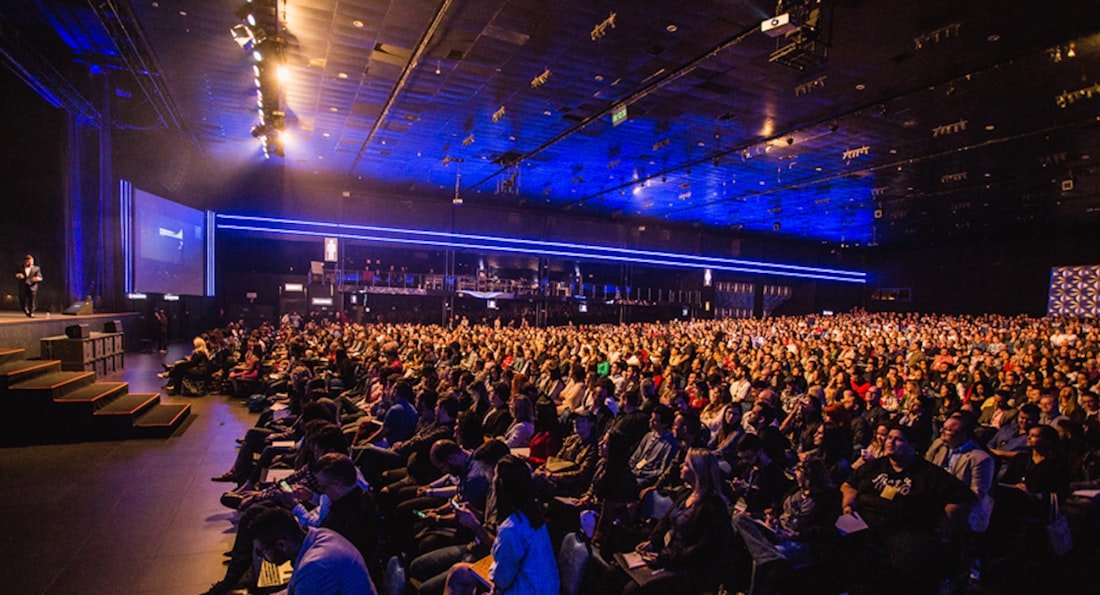
5 In-Store Community Events Any Retailer Can Host
Evening “Sip & Browse” Night
Host a Thursday or Friday evening with light refreshments, soft music, and a relaxed shopping atmosphere. Invite your email list + ask them to bring a friend. Typical attendance: 30–80 people. Cost: under £50 for wine and nibbles.
Free Workshop or Masterclass
Teach something directly related to your products: floral arranging, candle making, natural skincare, cooking, gift wrapping. Charge a small fee (£10–£20) or offer it free. Attendees buy related products 70–80% of the time.
Local Artist or Maker Pop-Up
Invite a complementary local maker to pop up in your store for a day or weekend. Their audience becomes your new walk-in traffic. Cross-post on both social accounts. Zero cost; double the footfall.
Charity “Shop for Good” Day
Partner with a local charity: donate 15% of one day’s revenue to their cause. They promote your store to their entire supporter base. Drives new traffic, generates press, and builds deep community goodwill simultaneously.
VIP Customer Appreciation Evening
Invite your top 50–100 customers to an exclusive preview of new stock with special discounts. People who feel valued become your most passionate advocates. Many bring friends; most spend significantly more than on a regular visit.
Measuring Your Community Marketing ROI
Community marketing is notoriously difficult to track with the precision of digital advertising — but that doesn’t mean you can’t measure its impact. Here are the metrics that matter most for small retailers using community events as a marketing channel.
| Metric | How to Track It | What Good Looks Like |
|---|---|---|
| Email sign-ups per event | Count new subscribers added on event day | 15–50 new subscribers per event |
| Discount card redemption rate | Track unique event codes at checkout | 8–15% redemption within 2 weeks |
| Foot traffic in the 7 days after | Compare week-on-week foot traffic logs | 10–25% uplift versus prior week |
| Social media reach on event posts | Instagram/Facebook Insights; TikTok Analytics | 2–5× your normal post reach |
| New customer acquisition | Ask new visitors “How did you hear about us?” | 5–15 new customers per event appearance |
| Google Business Profile views | GBP Insights dashboard — views in the week after | 15–30% increase in profile searches after events |
You’ve Got the Strategy. Now Get the System.
Ready to Build a Complete
Year-Round Retail Marketing Machine?
Community events are one powerful piece of a complete retail marketing system. The Retail Marketing Course at Easy Marketing School gives you every piece of that system — a step-by-step framework built specifically for independent retail store owners who want to drive consistent foot traffic, build genuine customer loyalty, and grow revenue all year round without a big advertising budget.
✓ Email Marketing Blueprints
✓ Social Media Strategy
✓ Local SEO Masterclass
✓ Loyalty & Retention System
✓ Holiday & Slow Season Plans
✦ Enroll in the Retail Marketing Course →
Built for independent & small retail store owners · Practical · Zero fluff
✅ Your Community Event Marketing Checklist
Run through this before and after every community event:
- ☐ Identify 2–3 relevant events next month
- ☐ Contact event organisers 3–4 weeks ahead
- ☐ Prepare a branded banner and display
- ☐ Create printed discount cards with unique code
- ☐ Set up email sign-up (tablet or paper + QR code)
- ☐ Announce the event on social media 3 days before
- ☐ Take behind-the-scenes photos and Stories during event
- ☐ Post a recap Reel or TikTok the same evening
- ☐ Tag event organisers in your thank-you post
- ☐ Send 3-part follow-up email sequence to new leads
- ☐ Track redemptions and new customers gained
- ☐ Book your spot at the next event before leaving
The Bottom Line
There is no marketing channel more aligned with the values of an independent retail store than the community it serves. Community events are not a nostalgic, pre-digital relic — they are a deeply human marketing strategy that becomes more powerful the more digital and impersonal the rest of the marketing landscape becomes.
Every time you show up at a farmers market, sponsor a school fair, host a workshop, or cheer on participants at a charity run — you are doing something Amazon, ASOS, and every big-box retailer in the world simply cannot do: you are showing up as a real person who genuinely belongs to this community.
That is your greatest competitive advantage. Use it consistently, use it strategically, and watch your store become not just a place people shop — but a place your community is proud of.