How to turn limited-time physical events into long-term customer loyalty and digital buzz in 2026.
In a world saturated with digital ads, the most powerful marketing tool in 2026 is physical presence. Pop-up shops and retail events have evolved from simple clearance sales into high-stakes brand theater. They offer something e-commerce cannot: a tactile, immersive experience that builds an emotional connection.
According to Statista, the pop-up industry has grown into a multi-billion dollar sector as brands realize that “ephemeral retail” drives a 35% higher engagement rate than traditional permanent storefronts.
1. The Strategic “Why” Behind the Pop-Up
A pop-up isn’t just a store; it’s a marketing event. Whether you are an online-only brand testing the physical waters or a brick-and-mortar veteran launching a new line, the goal is to create a sense of scarcity. If your shop is only open for 48 hours, the “fear of missing out” (FOMO) does the heavy lifting for your sales team.
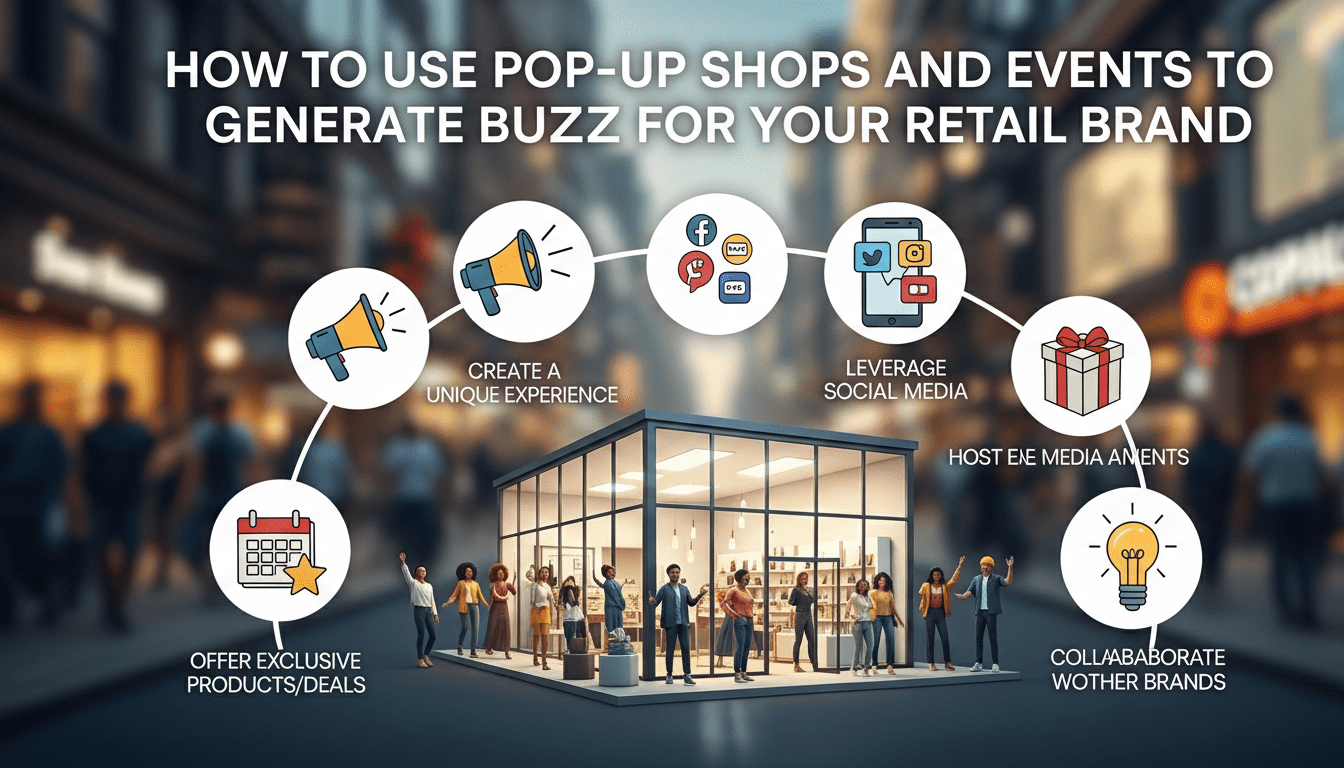
Pro Tip: Don’t just sell products. Sell an experience. Host a workshop, offer limited-edition “event only” merchandise, or collaborate with a local cafe to create a unique atmosphere that encourages social media sharing.
The 3 Elements of Pop-Up Buzz
The “Gram” Factor
Create “Instagrammable” corners that turn every visitor into a micro-influencer for your brand.
Exclusivity
Offer items that cannot be bought online. Scarcity drives immediate conversion.
Data Capture
Use QR codes and digital receipts to turn physical foot traffic into an email list.
2. Choosing the Right Format for Your Brand
Not all retail events are created equal. Depending on your budget and goals, you might opt for a standalone boutique or a “shop-in-shop” partnership.
| Format | Best For… | Main Benefit |
|---|---|---|
| Shop-in-Shop | Niche brands with low budget. | Borrowed foot traffic. |
| Mobile Retail (Van/Truck) | Streetwear & Lifestyle brands. | High mobility/flexibility. |
| Themed Event Space | Seasonal launches. | Maximum brand immersion. |
Master the Professional Retail Playbook
Pop-ups are just one piece of the puzzle. To build a sustainable 7-figure retail brand, you need to master inventory management, omnichannel marketing, and high-converting store psychology.
3. Converting Buzz into Long-Term Revenue
The biggest mistake retailers make is letting the buzz die the moment the doors close. A pop-up should be the start of a relationship, not a one-night stand. Use your event to fuel your retention marketing.
As noted in Shopify’s Guide to Experiential Retail, the most successful events use a “bridge strategy”—giving in-store visitors a discount code that is valid only for their first *online* purchase within 30 days of the event. This bridges the gap between physical experience and digital habit.
Final Thoughts
In 2026, retail isn’t about convenience—Amazon has already won that battle. Retail is about connection. By using pop-up shops to create exclusive, shareable, and memorable moments, you give your customers a reason to care about your brand in a way that a screen never could. Start small, test your concept, and watch your brand community grow.
© 2026 Retail Growth Academy. All rights reserved.