Turn your retail space into a sensory destination that customers never want to leave.
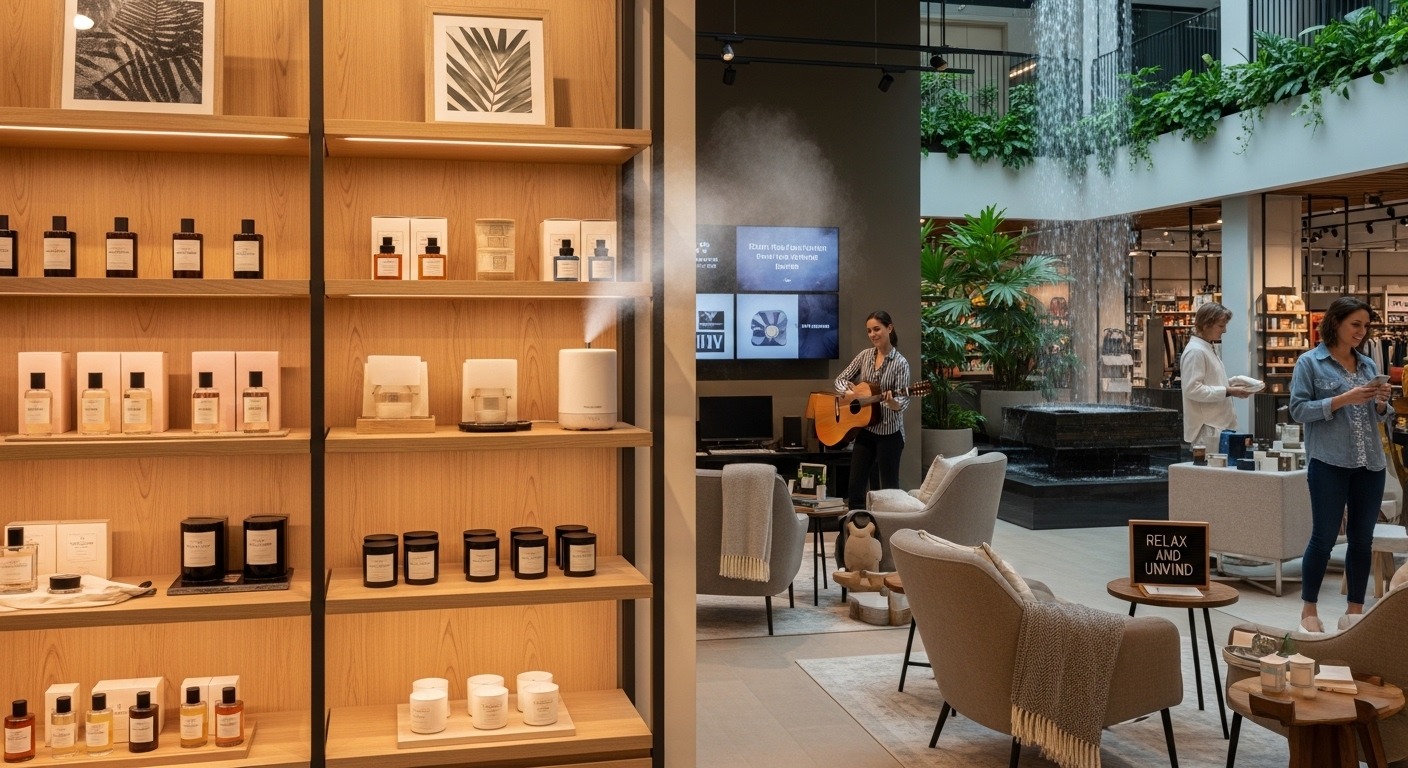
In the digital-heavy world of 2026, a physical store has one massive advantage over e-commerce: the ability to engage all five senses. While an online shop is limited to sight, your retail space can use scent, sound, and atmosphere to build a deep emotional connection with every visitor.
According to Shopify’s Retail Insights, sensory marketing can increase sales by up to 10% and boost brand loyalty by making a visit feel like an “event” rather than a chore. Here is how to master the invisible tools of retail.
1. Scent Marketing: The “Shortcut” to Memory
Scent is the only sense linked directly to the limbic system—the part of the brain responsible for memory and emotion. This is why the smell of fresh coffee makes you feel at home, or the scent of cedar makes a clothing brand feel “rugged.”
The Retail Strategy: Choose a signature scent that reflects your brand identity. Research from Harvard Business Review suggests that pleasant ambient scents can increase purchase intent by 80%. Just ensure it’s subtle; an overpowering smell will drive customers away faster than a bad Yelp review.
The Sensory Experience Triangle
Soundscapes
Tempo dictates the speed of foot traffic.
Olfactory
Scent triggers long-term brand recall.
Visual Flow
Lighting guides the customer’s journey.
2. Sound: Controlling the Tempo of Sales
The music you play isn’t just background noise; it’s a tool to control dwell time. Fast-tempo music encourages quicker movement (perfect for lunch rushes), while slower, ambient music encourages customers to linger—and the longer they linger, the more they spend.
| Retail Setting | Ideal Soundscape | Ideal Scent |
|---|---|---|
| Luxury Boutique | Classical or Lo-fi Beats | Sandalwood or White Tea |
| Fitness/Sports | Up-tempo Pop/Electronic | Peppermint or Citrus |
| Home Goods | Acoustic/Folk | Vanilla or Fresh Linen |
Master the Full Retail Experience Blueprint
Sensory marketing is only one part of the puzzle. From advanced psychological layouts to omnichannel digital strategies, learn how to turn your retail store into a profit machine.
3. Atmosphere: The “Vibe” that Closes the Deal
Atmosphere is the cumulative effect of lighting, furniture, and spacing. In 2026, “Instagrammable” corners are a marketing requirement. If your store has a space that looks beautiful through a smartphone lens, your customers will do your marketing for you by sharing it on social media.
Focus on **Lighting Zones**: Use bright, white lights for task areas (like the register) and warm, dimmed lights for browsing areas to make the customer feel relaxed and unhurried.
Final Thoughts
Price and product are easily replicated. Experience is not. By intentionally designing your store’s scent, sound, and atmosphere, you move beyond being a “place to buy things” and become a place that people must visit. This is the future of sustainable retail growth.
© 2026 Retail Excellence Academy. All rights reserved.