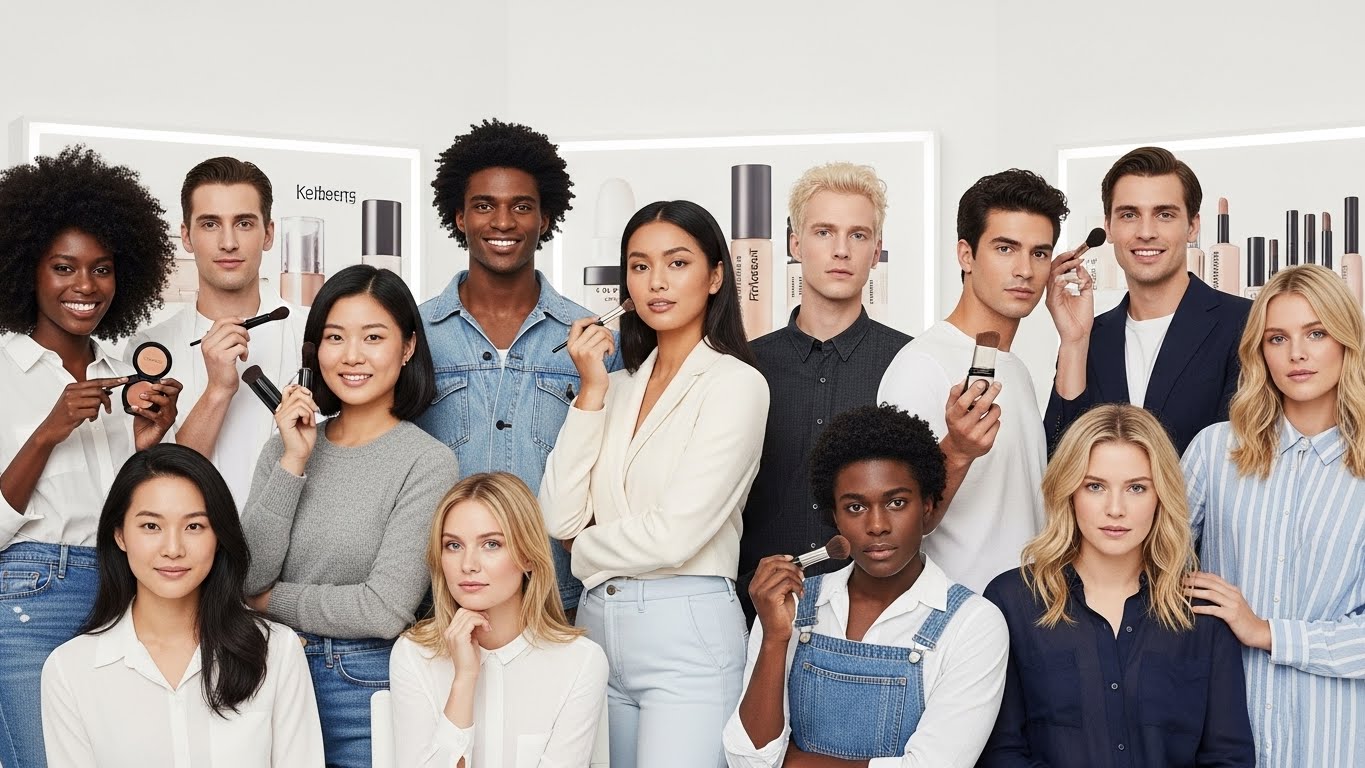
Launching an indie makeup brand without a clearly defined target audience is like creating a beautiful product and hoping someone—anyone—will buy it. The harsh reality? In today’s saturated beauty market, “everyone” is not your customer.
The most successful indie makeup brands don’t try to appeal to all beauty lovers. Instead, they laser-focus on a specific audience whose needs, values, and aesthetic preferences align perfectly with what they offer. This strategic approach is what transforms small indie brands into cult favorites with devoted followings.
If you’re struggling to identify who your makeup brand is really for, this comprehensive framework will guide you through the exact process of defining your ideal target audience—the foundation of every successful marketing strategy.

Why Defining Your Target Audience Matters More Than Ever
Before diving into the framework, let’s address why this matters so much for indie brands specifically.
Defining your audience is the first lesson of many. Our beauty marketing course continues from segmentation and targeting to brand identity, social media and selling beauty products online.
Unlike major beauty corporations with massive marketing budgets, indie brands thrive on precision. You need to make every marketing dollar, every social media post, and every product formulation count. When you know exactly who you’re speaking to, you can create products that genuinely solve their problems, craft messaging that resonates deeply, and build a community of loyal customers who feel like your brand was made specifically for them—because it was.
Generic marketing wastes resources and gets lost in the noise. Targeted marketing creates connections and drives sales.
Step 1: Analyze Your Current Customer Base (If You Have One)
If you’ve already made some sales, even just to friends and family, start by examining who’s already buying from you. These early adopters offer invaluable insights into your natural audience.
Look for patterns in your existing customers. What age range do they fall into? Where do they live? What’s their approximate income level? More importantly, what are their beauty routines like? Are they makeup minimalists or product enthusiasts? Do they prioritize clean ingredients, bold colors, or long-lasting formulas?
Review any feedback you’ve received, comments on social media, and questions people ask about your products. These conversations reveal what matters most to your customers and what problems they’re trying to solve with your makeup.
If you’re pre-launch, skip to Step 2, but plan to return to this step once you’ve made your first sales.
Step 2: Define Your Brand’s Core Values and Positioning
Your target audience should align with what your brand stands for. This is where many indie founders get it backwards—they define their audience first, then try to force their brand values to match. Instead, let your authentic brand identity guide you toward the right audience.
Ask yourself these critical questions: What inspired you to create this makeup brand? What gap in the market are you filling? What do you believe about beauty that mainstream brands ignore or get wrong? Are you focused on sustainability, inclusivity, artistic expression, clean ingredients, affordability, or something else entirely?
Your answers reveal the type of customer who will connect with your brand on a values level. For example, if sustainability is your core value, your ideal audience likely includes environmentally conscious consumers who research ingredients and prefer refillable packaging. If bold artistic expression drives your brand, you’re probably speaking to creative individuals who view makeup as self-expression rather than correction.
Step 3: Research Your Competitors’ Audiences
Your competitors—both indie and mainstream brands with similar positioning—have already done audience research. Learn from their work without copying their strategy.
Identify three to five brands that occupy a similar space to yours (similar price point, aesthetic, or values). Then study their social media followers, blog readers, and customer reviews. What language do their customers use? What complaints do they have? What do they love? Which demographics engage most with their content?
Pay special attention to underserved segments within these audiences. Perhaps a competitor has built a following among Gen Z consumers, but their older millennial customers feel overlooked. That gap could be your opportunity.
Tools like social media analytics, Google Trends, and even Amazon review sections can provide rich demographic and psychographic data without requiring expensive market research.
Step 4: Create Detailed Audience Personas
Now it’s time to synthesize your research into concrete audience personas. These are fictional representations of your ideal customers that bring dry demographic data to life.
Don’t just list age, location, and income. Go deeper. Give your persona a name and backstory. Where does she shop for clothes? What does her morning routine look like? What beauty influencers does she follow? What frustrates her about current makeup options? What does she splurge on versus save on?
Create two to three distinct personas representing different segments of your target audience. For an indie makeup brand, you might have: “Creative Chloe” (25, graphic designer, values artistic expression and unique color stories), “Conscious Cara” (32, yoga instructor, prioritizes clean ingredients and sustainable packaging), and “Busy Brittany” (40, working mom, needs quick, reliable, multitasking products).
Each persona should feel like a real person you could have a conversation with. When you’re making business decisions later, you’ll ask yourself: “What would Chloe think of this product launch?” or “Would this Instagram caption resonate with Cara?”
Step 5: Validate Your Assumptions With Real People
Theory is worthless without validation. Before you invest heavily in marketing to your defined audience, test your assumptions with actual potential customers.
Conduct informal interviews with people who match your personas. You can find them through social media, beauty communities, or local networking. Ask open-ended questions about their beauty routines, pain points, shopping habits, and what they wish existed in the makeup market.
Create surveys using free tools and share them in relevant online communities (with permission from moderators). Include both quantitative questions (age, income range, shopping frequency) and qualitative ones (what frustrates you about current makeup brands, what would make you try a new indie brand).
Launch a small test campaign on social media targeting your defined audience. The engagement rates, comments, and direct messages you receive will quickly tell you if you’re on the right track or need to refine your targeting.
Step 6: Identify Your Audience’s Online Hangouts
Defining your audience is only valuable if you know where to reach them. Modern beauty marketing lives online, so you need to understand your audience’s digital behavior.
Where does your ideal customer spend time? Is she scrolling TikTok for makeup tutorials, reading beauty blogs, participating in Reddit skincare communities, or watching YouTube reviews? Does she discover new products through Instagram ads, influencer recommendations, or Google searches?
Different platforms attract different demographics and serve different purposes. TikTok skews younger and favors educational or entertaining content. Instagram remains strong for aspirational lifestyle content and community building. Pinterest drives product discovery for planned purchases. Understanding these nuances helps you focus your marketing efforts where they’ll actually reach your target audience.
Make a list of specific subreddits, Facebook groups, Instagram hashtags, TikTok trends, and online communities where your ideal customers actively participate.
Step 7: Understand Their Purchasing Journey
Your target audience doesn’t just exist in a demographic box—they move through a specific journey from awareness to purchase. Mapping this journey helps you meet them at every stage with the right message.
Consider how your ideal customer discovers new makeup brands. Does she research extensively before buying, reading multiple reviews and ingredient lists? Or does she make impulse purchases based on aesthetics and influencer recommendations? How much does price influence her decisions? Does she prefer to buy directly from brand websites, through retailers, or via subscription boxes?
Understanding these patterns allows you to optimize your marketing funnel. If your audience researches heavily, you need detailed product information, ingredient transparency, and authentic reviews. If they’re impulse buyers, you need eye-catching visuals and seamless checkout processes.
Step 8: Refine and Evolve Over Time
Defining your target audience isn’t a one-time exercise. Markets shift, trends change, and your brand will evolve. Successful indie founders revisit their audience definition quarterly.
Track which marketing messages generate the most engagement and sales. Monitor who’s actually buying from you versus who you thought would buy. Stay alert to emerging consumer trends in the beauty industry that might affect your audience’s preferences or values.
Be willing to pivot if the data tells you something different than you expected. Maybe you launched targeting minimalist makeup lovers but found your biggest fans are actually bold color enthusiasts. That’s valuable information that should inform your product development and marketing strategy going forward.

Turning Audience Insights Into Marketing Success
Understanding your ideal target audience transforms every aspect of your indie makeup brand—from product development and packaging design to social media content and paid advertising. When you know exactly who you’re speaking to, marketing becomes clearer, more effective, and significantly more affordable.
The framework outlined above provides a solid foundation, but truly mastering beauty brand marketing requires diving deeper into strategy, implementation, and industry-specific tactics that indie founders need to compete in today’s market.
Ready to transform your audience insights into a comprehensive marketing strategy that drives real sales? The Beauty Marketing Course offers specialized training designed specifically for indie beauty brand owners like you. You’ll learn proven marketing frameworks, social media strategies, influencer collaboration tactics, and customer retention techniques that successful beauty brands use to build loyal communities and sustainable revenue. Stop guessing and start implementing marketing that actually works for your indie makeup brand.
Remember, your ideal target audience is out there right now, searching for a brand exactly like yours. By defining who they are with precision and clarity, you position your indie makeup brand to become their new favorite—and that’s when the magic happens.