Every day, beauty consumers make purchasing decisions that feel completely rational to them. They believe they’re choosing the best product based on ingredients, reviews, and price. But here’s what’s really happening: beneath the surface of every cosmetic purchase lies a complex web of emotional triggers and cognitive biases that influence buying behavior far more powerfully than logic ever could.
Understanding the psychology behind consumer decision-making isn’t about manipulation—it’s about communicating your product’s value in ways that resonate with how people actually think and feel. When you align your marketing with these natural mental processes, you remove friction from the buyer’s journey and help customers make decisions they’ll feel genuinely happy about.
For cosmetic brands, this psychological approach is particularly powerful because beauty products are inherently emotional purchases tied to self-image, confidence, and personal identity. Let’s explore the specific emotional triggers and cognitive biases you can ethically leverage to dramatically increase your conversion rates.

Understanding the Psychology of Beauty Purchases
Before diving into specific tactics, it’s important to recognize that cosmetic purchases are rarely about the product itself. They’re about the transformation, the feeling, and the identity your customer hopes to achieve.
When someone buys your serum, they’re not really buying hyaluronic acid in a bottle. They’re buying the confidence of glowing skin before an important event. They’re buying the fantasy of looking refreshed despite sleepless nights. They’re buying a version of themselves they want to become.
This distinction matters because it shifts your marketing focus from features to feelings, from ingredients to outcomes, from products to personal transformation. The brands that understand this psychological reality consistently outperform those focused solely on product specifications.
Emotional Trigger #1: The Power of Social Proof
Humans are fundamentally social creatures who look to others for guidance, especially when making uncertain decisions. In cosmetic purchases, where results can be subjective and personal, social proof becomes an incredibly powerful emotional trigger.
Social proof manifests in several forms for beauty brands. Customer reviews and testimonials provide validation that your product works for real people with real skin concerns. User-generated content showing actual customers using and loving your products creates authentic connection. Influencer endorsements leverage the trust and authority these personalities have built with their audiences.
The key is specificity and authenticity. Generic five-star ratings are helpful, but detailed reviews that mention specific skin concerns, usage duration, and visible results create much stronger social proof. Before-and-after photos from customers who look like your target audience (not professional models) generate higher conversion rates because they’re relatable and believable.
Display your most compelling testimonials prominently on product pages, not hidden in a separate reviews section. Include photos of real customers whenever possible. Feature user-generated content in your Instagram stories and feed. Create case studies that walk through a customer’s complete journey with your product.
When potential customers see people like themselves achieving the results they desire, the emotional barrier to purchase dissolves significantly.
Cognitive Bias #1: Scarcity and FOMO
The scarcity principle is one of the most researched cognitive biases in consumer psychology. When something becomes less available, we perceive it as more valuable and desirable. For cosmetic brands, strategically implementing scarcity can create urgency that converts browsers into buyers.
Limited edition products, seasonal collections, and “while supplies last” messaging tap into this powerful bias. When customers believe they might miss out on a product, their desire for it intensifies. This fear of missing out (FOMO) triggers an emotional response that often overrides rational deliberation.
However, artificial or manipulative scarcity damages trust and brand reputation. The key is authentic scarcity that aligns with your business reality. If you’re a small indie brand with genuinely limited production runs, communicate that honestly. If you create seasonal formulations with ingredients only available certain times of year, explain the reasoning behind the limited availability.
Implement countdown timers for genuine flash sales, show real-time stock levels when inventory is actually running low, and create pre-launch waitlists that reward early interest. These tactics work because they leverage scarcity while maintaining transparency and trust with your audience.
Emotional Trigger #2: The Desire for Belonging and Identity
Cosmetic purchases are deeply tied to identity and tribal belonging. When customers buy from your brand, they’re not just purchasing skincare or makeup—they’re buying into a community and adopting an identity marker.
Consider how certain beauty brands become lifestyle identifiers. Using specific clean beauty brands signals environmental consciousness. Choosing luxury skincare communicates self-care priorities and aesthetic sensibility. Supporting indie brands demonstrates values around authenticity and anti-corporate sentiment.
Tap into this emotional trigger by building a clear brand identity that represents specific values, aesthetics, and communities. Use language that creates an “us” feeling—phrases like “our community,” “join the movement,” or “for people who believe” foster belonging.
Create content that reflects the lifestyle and values of your ideal customer, not just your products. If your target audience values sustainability, share content about your eco-friendly practices and environmental impact. If they prioritize wellness, create educational content about holistic beauty approaches.
When customers feel like your brand represents who they are or who they want to become, conversion becomes natural because purchasing is an act of identity affirmation, not just a transaction.
Cognitive Bias #2: The Anchoring Effect
The anchoring effect describes how the first piece of information we encounter heavily influences our subsequent judgments. In pricing psychology for cosmetics, anchoring is incredibly powerful for framing value perception.
When you display a higher “original” price next to your sale price, the original price becomes the anchor that makes the sale price appear more attractive. When you show your premium product line before your mid-tier options, the mid-tier suddenly seems more affordable by comparison.
Product bundles leverage anchoring brilliantly. When you show the individual prices of products separately ($30 + $25 + $20 = $75) and then offer them bundled for $60, the $75 anchor makes the bundle feel like exceptional value, even though you may have priced the bundle at your intended selling point all along.
Use strategic anchoring on product pages by showing the cost-per-use calculation. A $50 serum that lasts three months anchors differently when you frame it as “less than 60 cents per day for glowing skin.” The daily cost anchor makes the total price feel insignificant compared to the ongoing benefit.
Position premium options first in your product range to make mid-tier products seem more accessible. Include a deluxe or luxury tier even if most customers won’t purchase it—its presence makes your core products appear more reasonably priced.
Emotional Trigger #3: The Promise of Transformation
At the heart of cosmetic marketing lies transformation—the emotional journey from current state to desired state. This is perhaps the most powerful emotional trigger in the beauty industry because it connects directly to hope, aspiration, and self-improvement.
Effective transformation marketing doesn’t just show before-and-after photos (though those are valuable). It paints a vivid picture of how customers will feel, how others will perceive them, and what becomes possible when their skin or appearance concerns are addressed.
Instead of saying “reduces fine lines,” describe the moment when they catch their reflection and feel genuinely pleased with what they see. Instead of “hydrates dry skin,” talk about the confidence of not worrying about flaky makeup throughout the day. These emotional outcomes resonate far more deeply than functional benefits.
Use storytelling in your product descriptions and marketing content. Create narratives where your customer is the hero and your product is the tool that enables their transformation. The more vividly you can help them imagine their transformed self, the stronger their emotional connection and purchase motivation becomes.
Cognitive Bias #3: The Bandwagon Effect
The bandwagon effect describes our tendency to do things because many other people are doing them. In cosmetic marketing, highlighting popularity and widespread adoption significantly increases conversion rates.
Phrases like “our bestseller,” “10,000+ bottles sold,” “most-loved product,” or “customer favorite” leverage this bias by suggesting that many others have already validated this purchase decision. When potential customers see that a product is popular, they infer it must be effective and trustworthy.
Display real-time purchase notifications on your website showing recent orders. Highlight bestseller badges prominently on popular products. Share milestone achievements like “100,000 satisfied customers” or “featured in 50+ publications.”
The bandwagon effect becomes even more powerful when combined with specificity. Instead of generic popularity claims, specify “chosen by 5,000+ acne-prone customers” or “our #1 selling product for sensitive skin for three years running.” This targeted popularity speaks directly to customers with those specific concerns.
Cognitive Bias #4: The Reciprocity Principle
Reciprocity is the deeply ingrained human tendency to want to return favors. When someone gives us something, we feel psychologically compelled to give something back. For cosmetic brands, strategic reciprocity can prime customers for purchase.
Offering valuable content, samples, or gifts before asking for a purchase creates a reciprocity loop. When you provide genuinely helpful skincare education, free downloadable routine guides, or personalized product recommendations with no strings attached, customers feel appreciative and more inclined to support your brand through purchases.
Free samples with purchase, bonus gifts at certain order thresholds, and unexpected surprises in shipments all trigger reciprocity. The key is that these gestures must feel genuine, not transactional. Customers can distinguish between authentic generosity and obvious sales tactics.
Create valuable educational content that solves problems for your audience even if they never buy from you. Offer personalized skincare consultations or routine audits. Provide exceptional customer service that goes beyond expectations. These reciprocity-building actions create emotional goodwill that naturally translates to higher conversion rates and customer lifetime value.
Emotional Trigger #4: Trust and Safety Signals
Fear and uncertainty are conversion killers in cosmetic purchases. Customers worry about allergic reactions, wasted money on products that won’t work, or buying from unknown brands. Addressing these fears directly through trust and safety signals removes emotional barriers to purchase.
Money-back guarantees eliminate financial risk. “Try it risk-free for 30 days” messaging tells customers they can make the purchase decision without fear of regret. This dramatically reduces purchase anxiety, especially for first-time customers or premium-priced products.
Transparent ingredient lists with explanations, third-party testing certifications, dermatologist endorsements, and cruelty-free or clean beauty certifications all build trust. These signals communicate that your brand has nothing to hide and prioritizes customer safety and satisfaction.
Display security badges prominently during checkout, showcase your return policy clearly on product pages, and highlight any guarantees or warranties. Make trust-building information easy to find, not buried in footer links.
The emotional comfort of knowing they’re making a safe, reversible decision often provides the final push customers need to complete their purchase.
Implementing Ethical Persuasion in Your Marketing Strategy
Understanding emotional triggers and cognitive biases gives you powerful tools for increasing conversions, but with that power comes responsibility. Ethical implementation means using these principles to help customers make decisions that genuinely benefit them, not manipulating them into purchases they’ll regret.
Always prioritize authenticity over tactics. Use real customer testimonials, not fabricated ones. Implement genuine scarcity based on actual inventory or production limitations, not artificial countdown timers that reset. Ensure your transformation promises are realistic and supported by actual product performance.
The most successful beauty brands use psychological principles to communicate value more effectively, not to deceive or pressure customers. When you combine compelling products with marketing that resonates with how people naturally think and feel, you create a win-win scenario where customers feel genuinely happy with their purchases and your conversion rates naturally increase.
Measuring and Optimizing Your Psychological Marketing
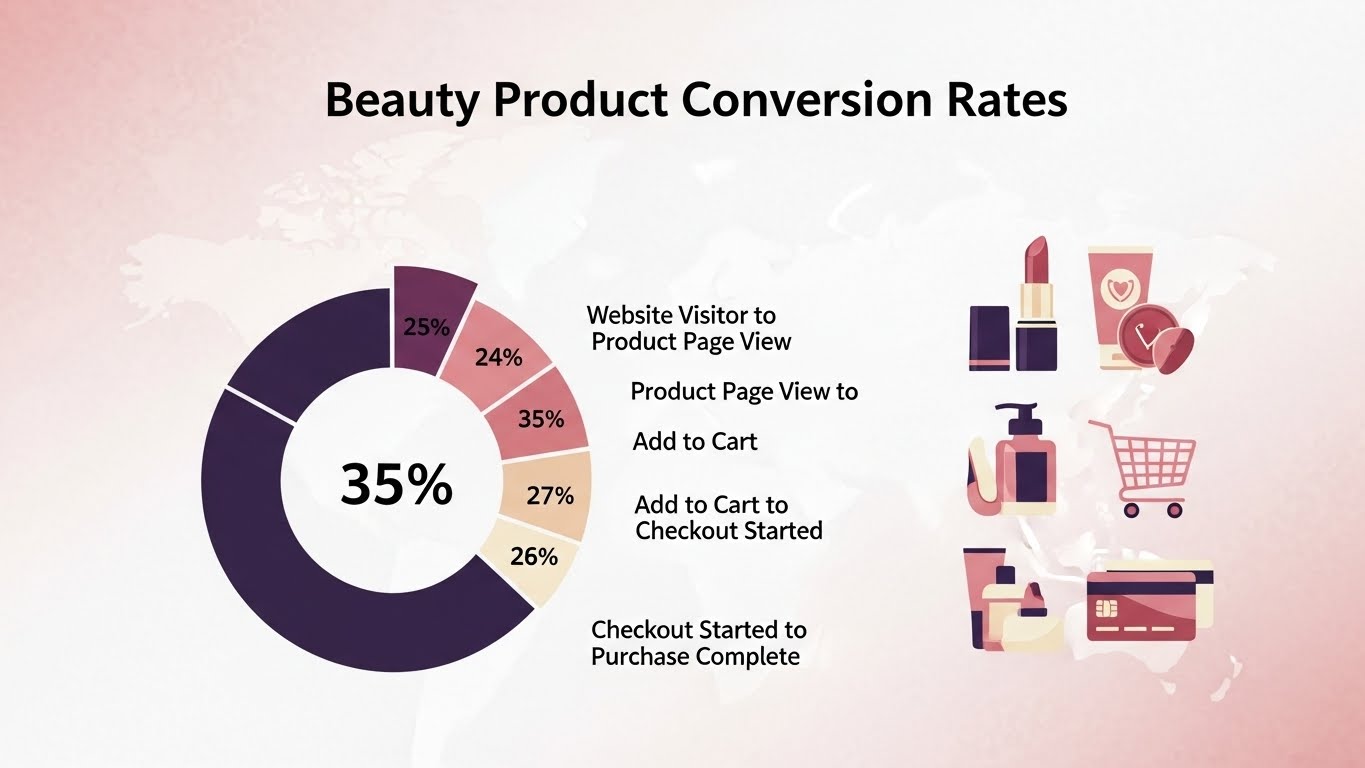
Implementation without measurement leaves you guessing about what’s working. Track specific metrics tied to each psychological principle you implement. Monitor conversion rate changes when you add social proof elements to product pages. A/B test different scarcity messaging to see what resonates most with your audience without creating distrust.
Use heat mapping tools to understand where customers focus attention on your website. Analyze cart abandonment data to identify where emotional barriers might be causing drop-off. Survey customers post-purchase to understand what factors ultimately influenced their decision to buy.
Continuous testing and refinement of your psychological marketing approach ensures you’re maximizing conversion potential while maintaining the authenticity and trust that builds long-term customer relationships.
Transform Your Cosmetic Marketing with Psychology-Driven Strategy
Mastering emotional triggers and cognitive biases is just one component of building a highly converting beauty brand. When combined with strategic positioning, compelling content, effective social media tactics, and customer retention strategies, psychological principles become even more powerful.
Ready to implement a complete, psychology-driven marketing strategy that converts browsers into loyal customers? The Beauty Marketing Course provides comprehensive training specifically designed for cosmetic brand owners who want to leverage consumer psychology ethically and effectively. You’ll learn advanced conversion optimization techniques, persuasive copywriting formulas, social media strategies that build emotional connection, and customer retention tactics that maximize lifetime value. Stop leaving conversions on the table and start implementing marketing strategies backed by proven psychological principles.
The beauty brands winning in today’s competitive market aren’t just creating great products—they’re communicating their value in ways that align with how customers naturally think, feel, and make decisions. By understanding and ethically implementing these psychological principles, you position your cosmetic brand for sustainable growth and genuine customer connection that goes far beyond a single transaction.