
How to Create a Data-Driven Beauty Marketing Strategy for a New Organic Skincare Product Line
⏱️ 12 min read
In today’s competitive beauty industry, launching an organic skincare line without a solid data-driven marketing strategy is like sailing without a compass. With the global organic skincare market projected to reach $25.1 billion by 2025, understanding how to leverage data isn’t just an advantage—it’s essential for survival.
Whether you’re a startup founder, beauty entrepreneur, or marketing professional, this comprehensive guide will walk you through creating a marketing strategy that’s rooted in data, not guesswork. We’ll explore how to identify your target audience, analyze competitors, choose the right marketing channels, and measure success with precision.
📋 What You’ll Learn
- ✓ Understanding the data-driven marketing landscape
- ✓ Conducting deep audience research and segmentation
- ✓ Performing competitive analysis for skincare brands
- ✓ Setting measurable marketing objectives and KPIs
- ✓ Selecting the optimal marketing channels
- ✓ Creating data-backed content strategies
- ✓ Implementing tracking and analytics systems
Why Data-Driven Marketing Matters in the Beauty Industry
The beauty industry has transformed dramatically in the past decade. Gone are the days when brands could rely solely on celebrity endorsements and glossy magazine ads. Today’s consumers are informed, skeptical, and demand authenticity backed by results.
📊 Key Industry Statistics
of consumers research products online before purchasing
projected organic skincare market size by 2025
higher ROI from data-driven campaigns vs. traditional methods
Data-driven marketing allows you to understand exactly who your customers are, what they need, where they spend time online, and how they make purchasing decisions. This insight transforms your marketing from spray-and-pray tactics into precision-targeted campaigns that deliver measurable results.
Step 1: Define Your Target Audience with Data
💡 Pro Tip: The most successful organic skincare brands don’t try to appeal to everyone. They identify a specific niche and dominate it with laser-focused messaging.
Demographic Research Tools
Start by gathering quantitative data about your potential customers. Use these proven tools and methods to build comprehensive audience profiles:
- Google Analytics: Analyze existing website traffic to understand visitor demographics, interests, and behavior patterns
- Facebook Audience Insights: Research demographic data, interests, and behaviors of users interested in organic beauty products
- Instagram Insights: Study followers of competitor brands to identify age ranges, locations, and engagement patterns
- Google Trends: Identify search volume trends for organic skincare keywords and related queries
- Survey Tools: Use Typeform or SurveyMonkey to collect direct feedback from potential customers
Creating Data-Backed Customer Personas
Once you’ve collected data, synthesize it into detailed customer personas. Each persona should include demographics, psychographics, pain points, goals, and preferred communication channels. Use real data from your research rather than assumptions to make these personas actionable.
Step 2: Conduct Competitive Analysis
Understanding your competition isn’t about copying their strategy—it’s about identifying gaps in the market and opportunities for differentiation. A thorough competitive analysis reveals what’s working in your niche and where you can outperform established brands.

Key Competitive Metrics to Track
🔍 Social Media Presence
Track follower counts, engagement rates, posting frequency, content types, and hashtag strategies across Instagram, TikTok, and Facebook.
💰 Pricing Strategy
Analyze competitor pricing tiers, promotional strategies, bundle offerings, and perceived value positioning in the market.
📱 Digital Marketing Channels
Identify which platforms competitors invest in most heavily, their ad creative styles, and their content marketing approaches.
⭐ Customer Sentiment
Review customer feedback on e-commerce sites, social media comments, and review platforms to understand satisfaction levels and common complaints.
Essential Competitive Analysis Tools
- SEMrush or Ahrefs: Analyze competitors’ organic search rankings, paid keywords, and backlink profiles
- SimilarWeb: Understand traffic sources, visitor behavior, and audience overlap between competitor sites
- Social Blade: Track social media growth patterns and engagement trends for competitor accounts
- BuzzSumo: Discover what content performs best for competitors and identify key influencers in your niche
- SpyFu: Reveal competitors’ Google Ads strategy, including ad copy and keyword bidding patterns
Step 3: Set SMART Marketing Objectives and KPIs
Data-driven marketing requires clearly defined, measurable objectives. Your goals should align with business outcomes and be specific enough to guide daily decision-making while being ambitious enough to drive meaningful growth.
🎯 The SMART Framework for Beauty Marketing
Specific
Define exactly what you want to achieve and who is responsible
Measurable
Establish concrete metrics to track progress
Achievable
Set realistic goals based on resources and market conditions
Relevant
Align objectives with overall business strategy
Time-bound
Set clear deadlines for achieving goals
Essential KPIs for Organic Skincare Brands
Step 4: Choose Your Marketing Channels Strategically
Not all marketing channels deliver equal results for organic skincare brands. Your channel selection should be driven by where your target audience spends their time, your budget constraints, and your content creation capabilities.

Top-Performing Channels for Organic Skincare Brands
Best for: Visual storytelling, influencer partnerships, user-generated content
Strategy: Focus on Reels and Stories to showcase product benefits, before-and-after results, and behind-the-scenes content. Instagram Shopping enables direct purchases.
Expected ROI: 4:1 to 6:1 for established brands
🎵 TikTok
Best for: Viral growth, Gen Z reach, authentic product demonstrations
Strategy: Create educational content about ingredients, participate in trending sounds, collaborate with micro-influencers. TikTok Shop integration is powerful for conversions.
Expected ROI: Highly variable, can exceed 10:1 for viral content
📧 Email Marketing
Best for: Customer retention, personalized recommendations, exclusive offers
Strategy: Segment lists by skin type, purchase history, and engagement level. Use automated flows for abandoned cart recovery and post-purchase education.
Expected ROI: 36:1 average for e-commerce
🔍 Google Ads
Best for: Capturing high-intent buyers, retargeting, building brand awareness
Strategy: Target long-tail keywords with clear intent like “best organic face serum for dry skin.” Use Shopping ads to showcase products with pricing and reviews.
Expected ROI: 2:1 to 4:1 depending on competition
▶️ YouTube
Best for: In-depth product education, SEO visibility, building authority
Strategy: Create skincare routines, ingredient deep-dives, and testimonial videos. YouTube’s search functionality provides long-term organic traffic.
Expected ROI: Strong long-term value through evergreen content
💡 Channel Selection Tip: Start with 2-3 channels where your audience is most active, then expand once you’ve mastered those. It’s better to excel on two platforms than to spread yourself thin across five.
🎓 Ready to Master Beauty Marketing?
Take your organic skincare marketing to the next level with our comprehensive Beauty Marketing Course. Learn advanced strategies, get access to proven templates, and join a community of beauty entrepreneurs.
Enroll in Beauty Marketing Course →
✓ Lifetime Access | ✓ Expert-Led Training | ✓ Industry Templates
Step 5: Develop a Data-Backed Content Strategy
Your content strategy should be informed by search data, social listening, and customer feedback. Create content that answers real questions your audience is asking while showcasing your brand’s unique value proposition.
Content Pillar Framework for Skincare Brands
Education
Ingredient benefits, skincare science, routine building guides
Social Proof
Customer testimonials, before-and-after photos, reviews
Brand Story
Sustainability practices, founder journey, values and mission
Product Focus
Product launches, usage tutorials, ingredient highlights
Keyword Research for Organic Skincare
Use tools like Google Keyword Planner, Ahrefs, or SEMrush to identify high-value keywords. Focus on long-tail keywords that indicate purchase intent and match your product offerings. For example:
- “best organic vitamin C serum for hyperpigmentation” (740 monthly searches, medium competition)
- “natural face moisturizer for sensitive skin” (1,200 monthly searches, medium competition)
- “cruelty-free anti-aging skincare routine” (890 monthly searches, low competition)
- “clean beauty brands without toxic ingredients” (620 monthly searches, medium competition)
Step 6: Implement Tracking and Analytics Systems
You can’t optimize what you don’t measure. Setting up robust tracking from day one ensures you can make data-informed decisions and continuously improve your marketing performance.
Essential Tracking Tools Setup
📊 Google Analytics 4
Track website traffic, user behavior, conversion paths, and e-commerce transactions. Set up custom events for add-to-cart, checkout initiation, and purchase completion.
🎯 Facebook Pixel
Monitor social media ad performance, create retargeting audiences, and optimize campaigns based on conversion data. Essential for tracking Instagram and Facebook ROI.
🔍 Google Search Console
Understand which keywords drive organic traffic, identify technical SEO issues, and track your search visibility over time.
🛒 E-commerce Platform Analytics
Whether using Shopify, WooCommerce, or another platform, leverage built-in analytics to track sales by channel, product performance, and customer behavior.
📧 Email Marketing Platform Analytics
Monitor open rates, click-through rates, conversion rates, and revenue per email. Platforms like Klaviyo offer sophisticated segmentation and attribution reporting.
Creating Your Marketing Dashboard
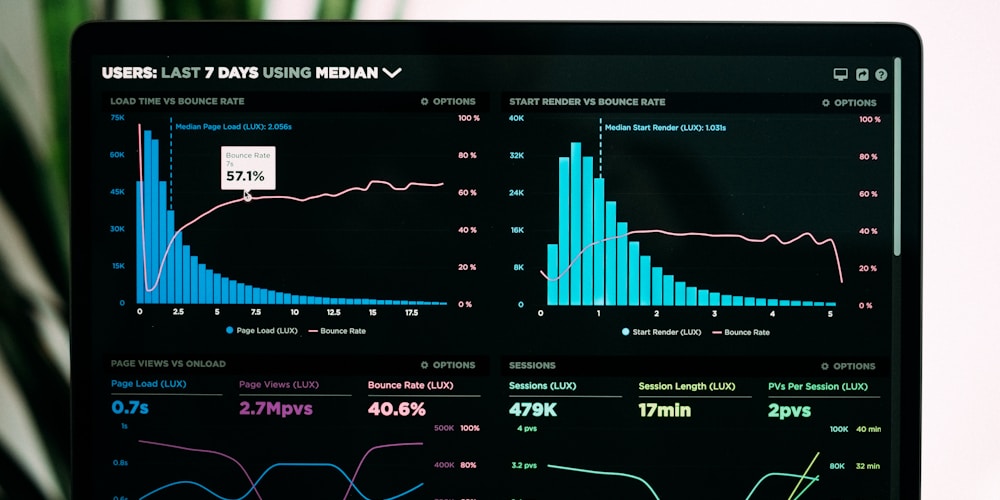
Consolidate all your marketing data into a single dashboard using tools like Google Data Studio, Tableau, or even a well-organized Google Sheet. Your dashboard should display:
- Real-time revenue and conversion rates
- Traffic sources and channel performance
- Customer acquisition cost (CAC) by channel
- Return on ad spend (ROAS) for paid campaigns
- Social media engagement metrics and follower growth
- Email marketing performance
- Top-performing products and content
✅ Best Practice: Review your dashboard weekly to identify trends early, and conduct deep-dive analyses monthly to understand the “why” behind the numbers.
Step 7: Test, Optimize, and Scale
The most successful beauty brands continuously test and optimize their marketing strategies. Data-driven marketing isn’t a one-time setup—it’s an ongoing process of experimentation and improvement.
🔄 The Optimization Cycle
Analyze
Review performance data
Hypothesize
Form improvement theories
Test
Run A/B experiments
Scale
Amplify what works
High-Impact Areas to Test
- Ad Creative: Test different images, video lengths, headlines, and calls-to-action to find what resonates best with your audience
- Landing Pages: Experiment with layouts, copy, product positioning, and trust signals to maximize conversion rates
- Email Subject Lines: Test personalization, emoji usage, urgency, and curiosity-driven approaches
- Pricing and Offers: Evaluate different price points, bundle configurations, and promotional strategies
- Content Formats: Compare performance of tutorials, testimonials, educational content, and product showcases
- Posting Times: Identify when your audience is most active and engaged on each platform
Scaling Successful Campaigns
Once you’ve identified winning strategies through testing, it’s time to scale. Gradually increase budgets on high-performing campaigns by 15-20% weekly while maintaining profitability. Expand successful tactics to new channels and audiences, always monitoring performance closely to ensure efficiency doesn’t decline with scale.
Common Mistakes to Avoid
Even with the best intentions, many organic skincare brands stumble in their marketing execution. Here are critical pitfalls to avoid:
❌ Vanity Metrics Focus
Obsessing over follower counts and likes while ignoring revenue, conversion rates, and customer lifetime value. Focus on metrics that directly impact business growth.
❌ Inconsistent Tracking
Setting up analytics tools incorrectly or failing to maintain consistent tracking over time makes it impossible to identify trends and optimize effectively.
❌ Ignoring Customer Feedback
Neglecting reviews, comments, and direct feedback means missing crucial insights about product satisfaction and messaging effectiveness.
❌ Spreading Too Thin
Trying to be active on every platform simultaneously leads to mediocre performance everywhere. Master 2-3 channels before expanding.
❌ No Testing Protocol
Making changes without proper A/B testing means you never know what actually drives improvements versus random fluctuations.
❌ Overlooking Attribution
Failing to understand the customer journey and multi-touch attribution can lead to misallocating budgets away from actually effective channels.
Building Your Data-Driven Future
Creating a data-driven marketing strategy for your organic skincare line isn’t about having perfect data from day one. It’s about building systems that continuously generate insights, making informed decisions based on evidence rather than intuition, and remaining agile enough to pivot when the data points in a new direction.
Start with the fundamentals outlined in this guide: understand your audience deeply, analyze your competition thoroughly, set measurable objectives, choose channels strategically, create data-backed content, implement robust tracking, and continuously test and optimize. Each step builds upon the last, creating a marketing engine that becomes more effective over time.
Remember that the beauty industry evolves rapidly. What works today might need refinement tomorrow. Stay curious, remain committed to learning, and let data guide your decisions. Your organic skincare brand deserves a marketing strategy that’s as carefully formulated as your products—and with these tools and frameworks, you’re equipped to create exactly that.
🌿 Start Your Journey Today
The competitive advantage in the organic skincare market goes to brands that master data-driven marketing. Don’t leave your success to chance—invest in knowledge that delivers measurable results.
✓ Learn from industry experts • ✓ Access proven frameworks • ✓ Join successful beauty entrepreneurs
Frequently Asked Questions
How much budget do I need for data-driven beauty marketing?
You can start with as little as $500-$1,000 monthly for paid advertising, but allocate at least 10-15% of your revenue to marketing as you grow. Focus initial spending on data collection through small test campaigns across 2-3 channels before scaling successful strategies.
How long does it take to see results from data-driven marketing?
Initial data collection takes 4-6 weeks to establish baseline metrics. Meaningful optimization results typically appear within 3-6 months as you accumulate enough data to identify clear patterns and trends. Long-term success compounds over 12+ months of consistent testing and refinement.
What’s the most important metric for organic skincare brands?
Customer Lifetime Value (CLV) to Customer Acquisition Cost (CAC) ratio is crucial. Aim for a 3:1 ratio minimum. This metric indicates whether your marketing is profitable long-term. Secondary metrics include repeat purchase rate, average order value, and brand sentiment scores.
Can I implement this strategy without a marketing team?
Absolutely. Many successful organic skincare founders start solo, dedicating 10-15 hours weekly to marketing. Focus on mastering one or two channels initially, use automation tools for efficiency, and consider outsourcing specific tasks like content creation or paid ad management as you scale.
About the Author: This guide was created by marketing experts specializing in the organic beauty industry. We’ve helped dozens of skincare brands build data-driven strategies that deliver sustainable growth and measurable ROI.