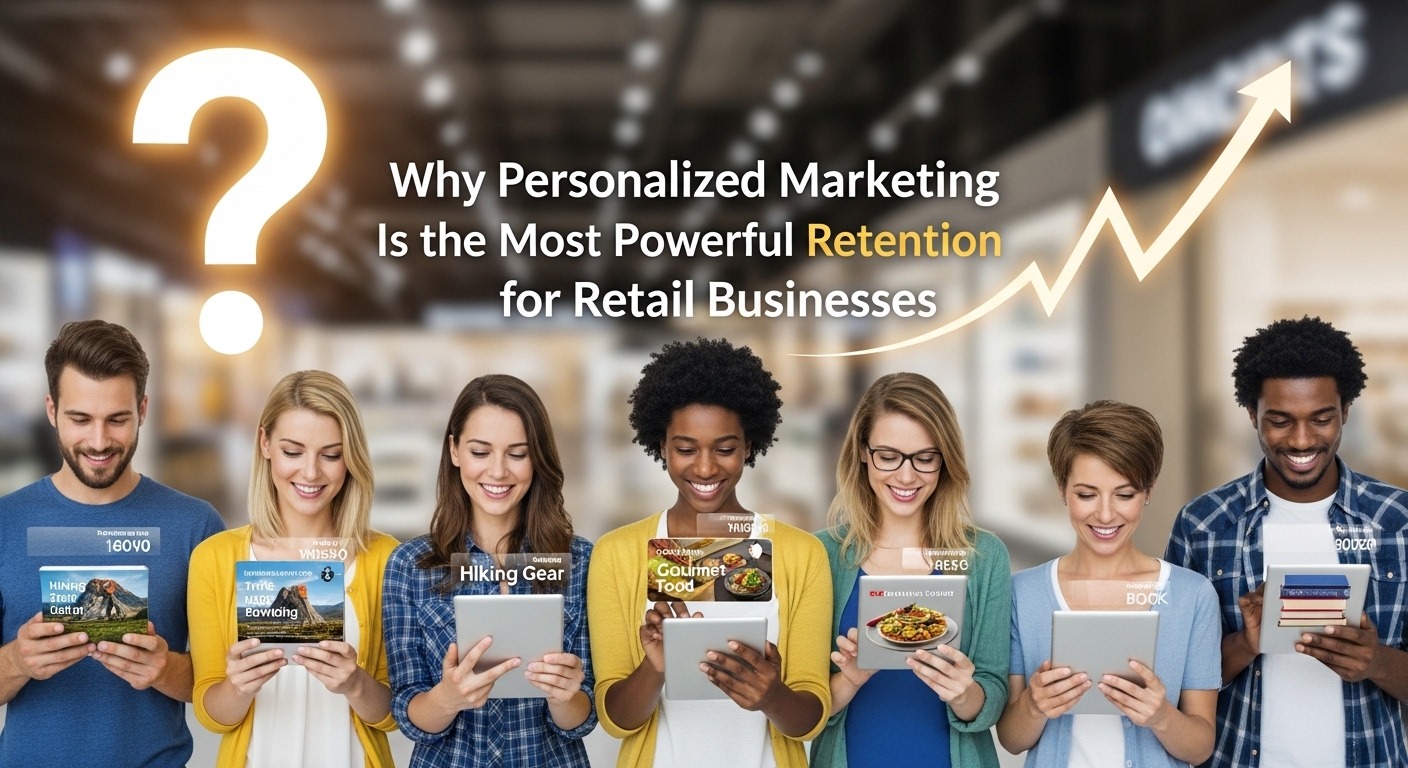
In 2026, “Mass Marketing” is noise. “Personalized Marketing” is a conversation.
The days of sending the same generic flyer to every person on your email list are over. In the modern retail landscape, consumers don’t just prefer personalization—they demand it. When a customer walks into your store or visits your site, they want to feel like you know their style, their size, and their preferences.
According to a report by McKinsey & Company, companies that excel at personalization generate 40% more revenue from those activities than average players. For retail businesses, personalization isn’t just a “nice-to-have”; it is the most effective way to turn a one-time shopper into a lifelong advocate.
1. Moving from Transactions to Relationships
Personalized marketing shifts the focus from what you are selling to who you are selling to. By using data from past purchases, browsing behavior, and even local weather patterns, you can provide value that feels helpful rather than intrusive.
Imagine a customer who bought a winter coat from you last year receiving a personalized recommendation for matching waterproof boots just as the first snow is predicted. That isn’t “salesy”—that’s service.
The 3 Pillars of Retail Personalization
Data Collection
Using POS systems to track individual preferences and purchase frequency.
Segmentation
Grouping customers by behavior (VIPs, Bargain Hunters, Category Fans).
Dynamic Content
Delivering unique offers via SMS or Email based on those specific groups.
2. Personalization vs. Customization
While many use these terms interchangeably, there is a key difference. Customization is what the user does (choosing their own settings). Personalization is what you do for the user based on their data. In retail, being proactive is the key to retention.
| Strategy | Example | Impact on Loyalty |
|---|---|---|
| Replenishment Alerts | “Time to restock your favorite coffee beans?” | High – Increases Frequency |
| VIP Recognition | “Exclusive early access to the summer collection.” | Critical – Prevents Churn |
| Geo-Fencing | “Welcome back! Check out new arrivals in your size.” | Medium – Drives Foot Traffic |
Master the Future of Retail Marketing
Data and personalization are just the beginning. To truly dominate, you need to master inventory psychology, local SEO, and high-ROAS advertising strategies.
3. The “Surprise and Delight” Factor
Personalization allows you to go beyond the expected. By tracking significant dates (like a “store anniversary” or birthday) or noticing a customer hasn’t visited in 60 days, you can trigger automated “Surprise and Delight” campaigns. A small, personalized discount or a free gift with their next purchase can re-ignite a fading relationship.
As noted by Shopify’s Retention Guide, these small personal touches create an emotional moat around your business that large-scale competitors simply cannot replicate.
Final Thoughts
In retail, your greatest competitive advantage isn’t your price—it’s your data. When you use that data to make a customer feel like an individual rather than a number, you build a level of loyalty that transcends a single transaction. Start small, segment your audience, and watch your retention rates skyrocket.
© 2026 Retail Growth Academy. All rights reserved.