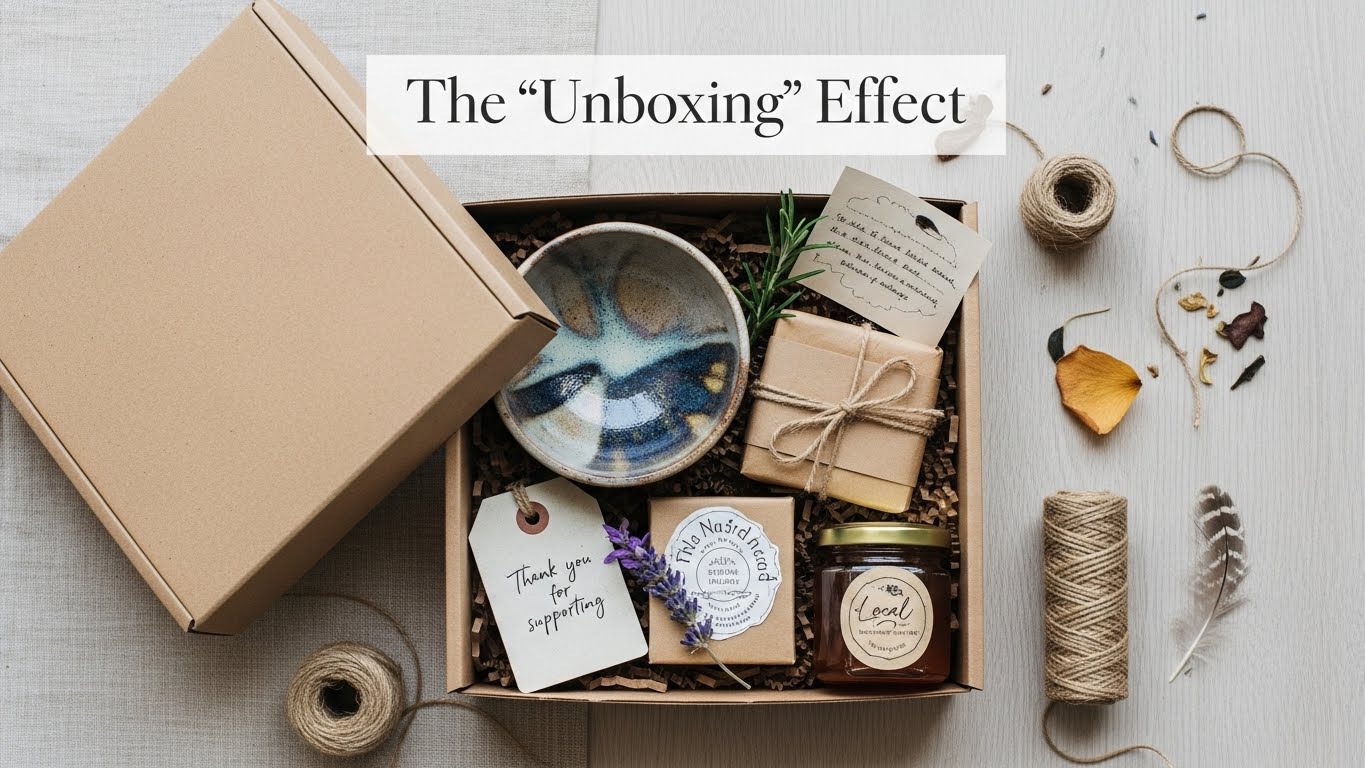
Scaling your handmade brand doesn’t mean sacrificing the personal touch that made customers fall in love with you There’s something magical about receiving a package wrapped in tissue paper, sealed with a handwritten note, and filled with the subtle scent of essential oils or dried lavender. That moment when a customer opens their order and experiences the care you’ve poured into every detail—that’s the unboxing effect, and it’s the secret weapon of artisanal brands everywhere. But here’s the challenge: You’re growing. Orders are increasing. Your small studio can barely keep up. How do you scale from 20 orders a week to 200—or even 2,000—without losing that intimate, hand-wrapped feeling that makes your brand special? The answer isn’t choosing between growth and authenticity. It’s about strategically scaling your operations while preserving the elements that create emotional resonance with your customers. Let’s explore exactly how to do that. Before we dive into scaling strategies, it’s crucial to understand why the unboxing experience matters so much. According to research from the Dotcom Distribution, unboxing experiences trigger powerful psychological responses: This is why artisanal brands have such an advantage. While mass-market companies struggle to create authentic connections, your handcrafted approach naturally triggers these psychological responses. The challenge is maintaining them at scale. 100% handmade packaging, personal notes, custom touches. Focus on perfecting your signature unboxing experience. Systematize repeatable elements. Pre-cut tissue paper, stamp signatures, batch-prepare materials while keeping custom touches. Hire packaging team trained in your aesthetic. Use semi-custom packaging with strategic handmade elements. Maintain handwritten elements for VIP customers. Custom branded packaging that looks handmade. Surprise & delight programs. Special touches for repeat customers. Digital personalization at scale. Not every aspect of your artisanal packaging needs to remain 100% handmade. But some elements are sacred—they’re the threads that connect your brand story to your customer’s heart. Here’s what you absolutely must preserve: Here’s where many artisanal brands miss a golden opportunity: your packaging is your brand story. Every element should work together to communicate your values, craftsmanship, and unique positioning. Visual storytelling isn’t just about pretty boxes—it’s about creating a cohesive narrative that resonates across every touchpoint. Your color palette, typography, and design elements should be instantly recognizable. When customers see your package arrive, they should know it’s from you before reading the label. This recognition builds brand equity and trust over time. Don’t just think visually—think multi-sensory. The texture of your packaging materials, the sound of tissue paper rustling, the scent that greets customers when they open the box. These sensory details create immersive experiences that photos can’t fully capture but customers will remember. Design your unboxing experience with social sharing in mind. Create natural “photo moments” where customers will want to capture the beauty. Think flat-lay worthy arrangements, quotable packaging inserts, and visually striking color contrasts. User-generated content from unboxing is worth more than any paid advertising. According to Think with Google, unboxing videos have generated over 90 billion views. But for packaging-forward artisanal brands, the opportunity is even greater. Your packaging doesn’t just protect the product—it tells your story, communicates your values, and creates moments worth sharing. Create a “hero shot” template for your packaging that customers can easily recreate. Use consistent lighting, backgrounds, and styling in your own product photos, and watch as customers naturally mimic this aesthetic when sharing their own unboxing experiences. This creates a cohesive visual brand across social media without enforcing strict rules. The most successful packaging-forward brands understand that every element—from the stamp you use to seal the package to the way products are arranged inside—contributes to the overall narrative. At scale, this means creating detailed packaging guidelines that your team can follow while still allowing for creative expression within defined parameters. The word “automation” might feel antithetical to artisanal values, but smart systematization is what allows you to scale without burning out. The key is being strategic about what you automate and how you do it. Consider this example: A small-batch candle company scaled from 50 to 500 orders per week by pre-cutting all tissue paper to exact sizes, batch-creating thank you cards with a printed message plus hand-signed name, and training two team members on their specific wrapping technique. The result? Packaging time per order dropped from 8 minutes to 3 minutes, but customers still felt the handmade touch. Your first packaging hire is critical. This person isn’t just wrapping products—they’re becoming an extension of your brand’s heart. Here’s how to ensure they maintain the artisanal quality your customers expect: Week 1: Brand Immersion Share your brand story, values, and the “why” behind every packaging choice. Have them unbox competitor products and your own products to understand the difference. This isn’t just training—it’s brand indoctrination. Week 2: Technique Mastery Teach your exact wrapping technique, folding methods, and placement. Create video tutorials they can reference. Practice together until they can replicate your style without thinking. Week 3: Speed Without Sacrifice Now focus on efficiency. Time each packaging element and identify bottlenecks. Create checklists and organize workspace for optimal flow. Quality first, then speed. Week 4: Independent Quality Control Introduce self-QC protocols. They should be able to identify and fix packaging issues before you see them. Create a “does this feel handmade?” checkpoint. Remember: You’re not hiring packers. You’re hiring brand ambassadors who happen to package products. The difference in mindset creates a difference in outcome. Not every customer needs the same level of packaging extravagance. Smart artisanal brands create tiered experiences that deliver appropriate value while managing resources efficiently. Here’s how to structure it: Experience: Beautiful baseline packaging with brand-consistent materials, printed thank-you card with signature stamp, tissue paper wrapping, and one surprise element (sticker, sample, or seasonal touch). Goal: Exceed expectations enough to create repeat customers Experience: Enhanced packaging with handwritten name on note, premium wrapping materials, exclusive stickers or inserts, plus a small gift or sample that references their purchase history. Goal: Reward loyalty and encourage subscription/repeat purchases Experience: Fully customized packaging with handwritten personal note, premium product samples, exclusive early access to new products, special wrapping technique or materials, and surprise gifts based on customer data. Goal: Create brand evangelists and shareable unboxing moments This tiered approach lets you maintain profitability while still delivering exceptional experiences. Use your CRM or e-commerce platform to automatically tag customers and trigger the appropriate packaging level. Scaling an artisanal brand requires more than just great packaging—you need a comprehensive marketing strategy that preserves your brand’s authenticity while driving growth. Explore the Beauty Marketing Course → Learn proven strategies for building, scaling, and marketing beauty and artisanal brands As you scale, bulk purchasing becomes necessary. But choosing the wrong suppliers can undermine the very values that make your brand special. Here’s how to find partners who align with your artisanal ethos: Look for FSC certification for paper products, biodegradable materials, and suppliers who can document their environmental practices. Your customers chose you partly for your values—don’t compromise them for cost savings. Even at scale, you need suppliers who can customize colors, add your logo, or create unique materials. Generic packaging destroys the artisanal feel faster than anything else. Artisanal brands need to experiment. Find suppliers who offer reasonable minimums so you can test new packaging ideas without committing to 10,000 units of something your customers might not love. Request samples from multiple production runs. Inconsistent quality—slight color variations, texture differences—can disrupt the cohesive brand experience you’ve carefully cultivated. The Sustainable Packaging Coalition offers resources for finding eco-friendly suppliers, while platforms like Alibaba and ThomasNet can connect you with manufacturers who specialize in small-to-medium batch custom packaging. Traditional e-commerce metrics don’t tell the full story for artisanal brands. You need to track indicators that reflect the emotional connection and brand experience you’re creating: Set up a simple tracking system: Create a spreadsheet where team members log packaging-related customer comments, count Instagram tags weekly, and note any viral unboxing moments. These qualitative signals often predict sales trends before the numbers reflect them. If your repeat purchase rate starts declining while overall sales increase, you may be scaling too fast and losing the artisanal touch. This is your canary in the coal mine—address it immediately by adding personalization elements back into your packaging process. Let’s look at real examples of artisanal brands that maintained their essence while scaling dramatically: The Challenge: Grew from a kitchen operation to a Sephora-stocked brand while maintaining clean, minimalist aesthetic and natural ingredients ethos. The Solution: Invested heavily in custom-designed packaging that looked artisanal at scale. Used recyclable glass bottles, minimalist labels, and coordinated color schemes. Every product arrived in perfectly curated packaging that photographed beautifully. The Result: Became one of the most Instagrammed beauty brands despite being sold in major retailers. Their packaging maintained the boutique feel even on Sephora shelves. The Challenge: Scaling luxury bedding direct-to-consumer while competing with established home goods retailers. The Solution: Created reusable linen bags for all shipments instead of cardboard boxes. Every order felt like receiving a gift, with products wrapped in tissue and secured with custom twine. The reusable bags became collector’s items customers kept and showed off. The Result: Built a fiercely loyal customer base willing to pay premium prices. The packaging became part of the product value proposition, not just protection. The Challenge: Communicating farm-to-face values in packaging while scaling to meet Sephora and Ulta demand. The Solution: Designed primary packaging (jars and bottles) to reference farmhouse aesthetics with embossed details and amber glass. Created insert cards explaining the farm origins of ingredients, complete with illustrations. The Result: Successfully positioned as premium natural skincare in major retailers while maintaining artisanal credibility. Packaging tells the brand story even when customers can’t visit their flagship farm. The common thread? These brands invested in packaging as a core part of their product experience, not an afterthought. They understood that at scale, packaging is their brand’s handshake with the customer. You can’t scale on spreadsheets alone. Here are the essential tools that help artisanal brands grow while maintaining their personal touch: The key is choosing tools that integrate with each other. Your e-commerce platform should talk to your CRM, which should inform your shipping software. This creates a seamless flow of information that enables personalization at scale. Feeling overwhelmed? Here’s your step-by-step roadmap to begin scaling without losing your artisanal soul: Remember: Scaling is a marathon, not a sprint. It’s better to grow slowly while maintaining quality than to explode in popularity and lose the essence of what made customers fall in love with you in the first place. In a world of Amazon Prime and two-day shipping, where most packages arrive in plain brown boxes with zero personality, your hand-wrapped, thoughtfully packaged products are a breath of fresh air. That unboxing moment—when your customer peels back the tissue paper and discovers the care you’ve put into every detail—is worth more than any advertising campaign. Scaling doesn’t mean sacrificing this magic. It means being strategic about which elements to systematize and which to protect fiercely. It means training others to care about your brand as much as you do. It means investing in suppliers and systems that enable personalization at scale. Yes, it takes more time. Yes, it costs more money upfront. But the artisanal brands that successfully scale are the ones that understand this truth: Your packaging isn’t an expense—it’s an investment in customer loyalty, brand equity, and long-term growth. As you grow from 20 orders to 200 to 2,000, never forget why your customers chose you over mass-market alternatives. They’re not just buying a product—they’re buying into your story, your values, and the experience you create. Keep that hand-wrapped feeling alive, even if the hands doing the wrapping multiply. “The brands that will thrive in the next decade are those that can deliver mass production with the soul of a maker. It’s not about choosing between scale and authenticity—it’s about architecting systems that preserve your essence as you grow.” Your packaging is your silent salesperson, your brand ambassador, and your customer’s first physical interaction with your company. Make it count. Make it memorable. Make it yours—at any scale. Now go create some unboxing magic. Your customers are waiting. ✨ This comprehensive guide draws from case studies of successful artisanal brands, consumer psychology research, and packaging industry best practices. For more resources on scaling handmade businesses, visit the Handmade Business Resource Center and Packaging of the World for design inspiration. Found this helpful? Share it with fellow makers! Keywords: artisanal brand scaling, handmade business growth, unboxing experience, sustainable packaging, artisan packaging, brand storytelling, small batch production, craft business scalingUnderstanding the Psychology Behind the Unboxing Effect
Key Psychological Triggers
Anticipation and Reward: The act of opening a beautifully packaged product releases dopamine, creating a positive association with your brand
Perceived Value: Premium packaging increases the perceived value of the product inside by up to 40%
Emotional Connection: Handwritten notes and personal touches create a sense of relationship, not just transaction
Social Currency: 4 out of 10 consumers share unboxing experiences on social media, providing free marketingThe Artisanal Brand Scaling Timeline
Phase 1: 0-50 Orders/Week
Phase 2: 50-200 Orders/Week
Phase 3: 200-500 Orders/Week
Phase 4: 500+ Orders/Week
The 7 Non-Negotiables: Elements You Must Keep While Scaling
Visual Storytelling for Packaging-Forward Brands
The Three Pillars of Packaging Storytelling
1. Visual Consistency
2. Sensory Integration
3. Instagram-First Design
Pro Tip: The Packaging Photoshoot
Strategic Automation: What to Systematize (and What to Keep Human)
✓ Automate These Elements
✋ Keep These Human
Building a Packaging Team That Understands Your Brand Soul
The Artisanal Packaging Training Framework
The Tiered Experience Model: Personalization at Scale
Standard Tier: First-Time & One-Time Customers
VIP Tier: Repeat Customers & Subscribers
Ultra-VIP Tier: Top Customers & Influencers
Ready to Master Beauty Brand Marketing?
Sustainable Scaling: Finding Supply Partners Who Share Your Values
Supplier Selection Criteria
Sustainability Certifications
Customization Capabilities
Minimum Order Flexibility
Quality Consistency
Measuring Success: Metrics That Matter for Artisanal Brands
📊 Quantitative Metrics
💭 Qualitative Indicators
Warning Sign to Watch For
Case Study: How Three Artisanal Brands Scaled Successfully
Herbivore Botanicals
Parachute Home
Farmacy Beauty
The Technology Stack for Modern Artisanal Brands
Creating Your Scaling Roadmap: Where to Start
Your 90-Day Scaling Blueprint
Days 1-30: Audit and Document
Days 31-60: Systematize and Test
Days 61-90: Train and Optimize
The Unboxing Effect Is Your Competitive Advantage
About This Article